Animal Welfare Laws 2026 A Better Future for Dogs

The future year 2026 holds positive and significant advances for dogs in the United States. The new and reinforced animal welfare laws indicate an increase in the desire to protect the dogs against cruelty, neglect, and injustice. These legislative developments can be seen as a sign of shifting towards a new perception of a dog in society, not as a property, but as a living creature that deserves affection, care, and protection.
In various states and on the federal level, lawmakers, animal welfare organizations, and communities have collaborated in a bid to change the lives of dogs. These activities are aimed at the elimination of abusive practices like puppy mills, dogfighting, breed discrimination, and emergency abandonment of dogs.
Stronger Laws Against Puppy Mills and Dogfighting
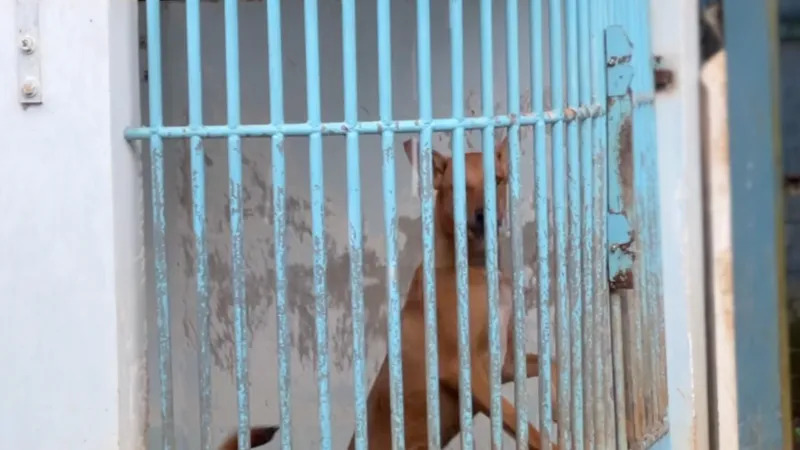
Among the most significant advances for dogs, more has been done to address puppy mills and dogfighting. Puppy mills usually confine dogs in unhealthy and crowded conditions andmakes them reproduce over and over again to make profits. Another inhuman act is dogfighting that is a source of excessive pain and brutality.
Later in 2025 and early 2026, federal officials made public declarations of combating these types of inhumanity. This includes:
- Greater enforcement of the current laws on animal protection.
- More effective federal coordination.
- More attention to the closure of illegal breeding activities.
These pledges are an indication of improvement, but follow-up and implementation are necessary.
Protection for Dogs During Disasters
In Florida, there is now a new law of animal cruelty in which leaving pets behind or tying them outside during natural disasters is a crime. Previously, during the hurricanes and floods, there were a lot of dogs that were left alone, and this was not always followed by injuries or even death.
This law ensures that:
- Owners of pets have the legal responsibility of keeping their dogs safe.
- In case of an emergency, dogs are also safeguarded.
- Officials can intervene on a careless attitude.
The change will be a significant milestone in understanding dogs as family members who should not be left alone.
Fair Housing and Breed Equality for Dogs
The issue of housing has been a thorn in the flesh of dog owners, particularly those of large dogs or some breeds. New legislation is assistingin eliminatinge such obstacles.
The Pets in Housing Act aids the residents of Washington, D.C. by:
- Prohibition of unjust and discriminatory pet regulations.
- Achieving better pet-friendly housing.
- Figure 1: Founding the first pet-friendly homeless shelter in the city.
Likewise, in Prince George’s County, Maryland, the authorities removed an old law that prohibited specific breeds of dogs. This transformation is because behavior is determined by care and training, and not by breed only.
Growing Recognition of Dogs’ Rights and Welfare
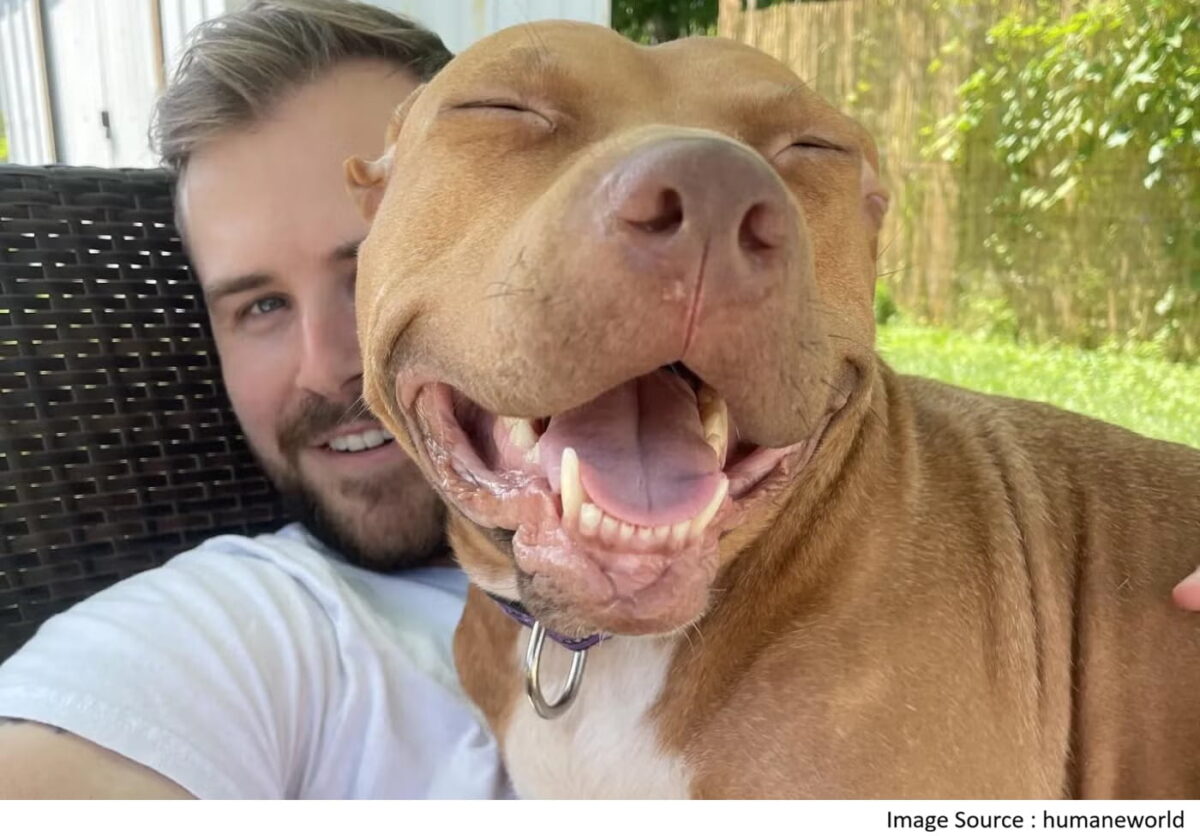
There is a wider cultural change that takes place beyond certain laws. The society is becoming aware that dogs are people too and must be treated with dignity and humanity. This change is achieved through public awareness campaigns, advocacy activities, and community participation as well.
Key signs of this shift include:
- Increased social resistance to inhumanity and negligence.
- A promise of encouraging adoption instead of purchasing the dogs from breeders.
- More financing of rescue and rehabilitation programs.
There has been a closer collaboration between animal welfare agencies and government agencies in rescuing abused dogs and giving them long-term care.
Challenges That Still Remain
While these advances are encouraging, more work lies ahead. Some harmful practices still exist, and enforcement gaps remain. Continued advocacy, proper funding, and public support are necessary to ensure that these laws truly protect dogs.
Leaders in the field of animal welfare insist that caring about dogs should not be a political matter and should be a common obligation. By protecting dogs, communities are reinforced, and the values of society are developed
Conclusion
2026 marks a new beginning of the dog in the United States. Stronger legislation, improved enforcement, and fairer housing policies and awareness by people are bringing dogs closer toae world of cruelty and neglect-free practices. Such changes present actual hope despite the challenges. Humane legislation and responsible pet caregivers will help create a kinder and safer world for dogs today and in future generations.