
Dog Anti Aging Medicine Could Help Dogs Live Longer

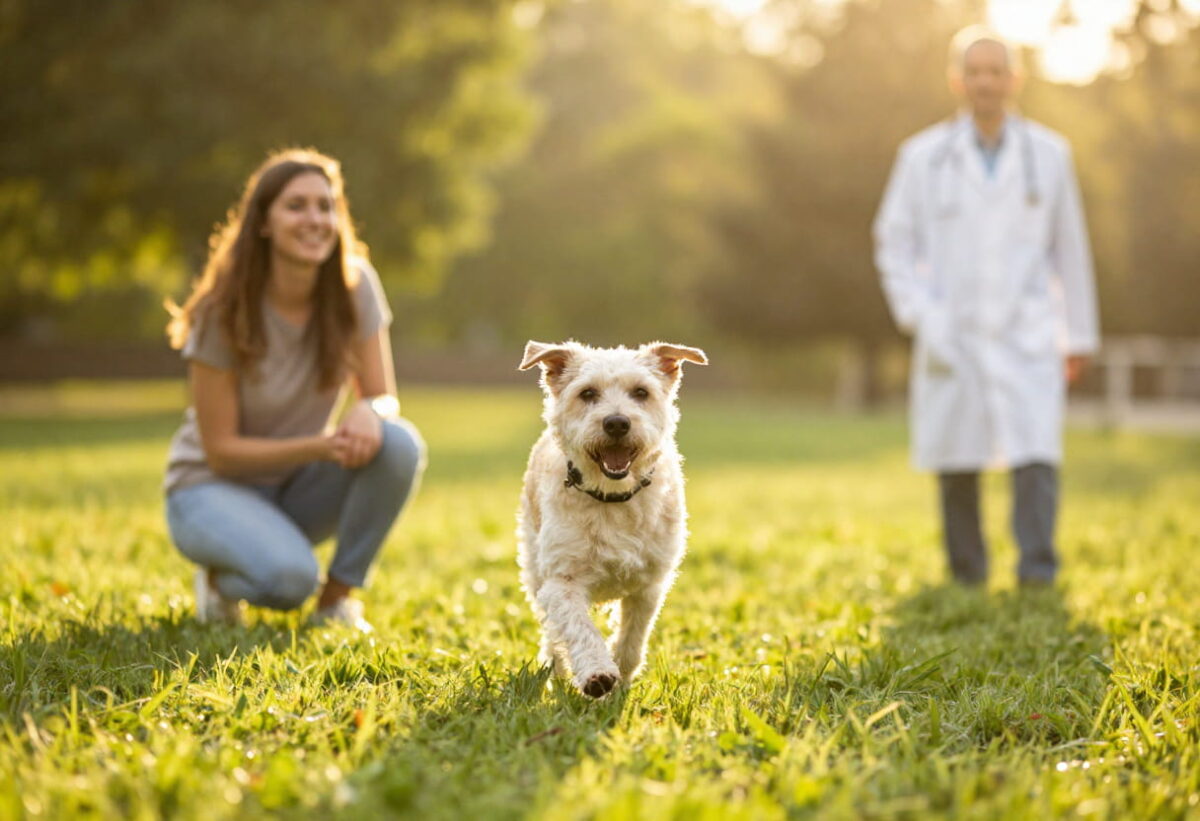
Dog anti aging medicine is creating excitement among pet lovers thanks to a new pet health breakthrough. Coming in 2026, an innovative treatment hopes to slow down how fast dogs grow old. Crafted by a small science team named Loyal, it’s built to go after aging at its source. Bigger dogs, who usually don’t stick around as long, might benefit the most.
Should the U.S. Food and Drug Administration give the go-ahead, it would mark the debut of a drug made just to slow down aging in pets. With that approval, countless families might enjoy extra time alongside their cherished animal friends.
What Is Dog Anti Aging Medicine for Dogs?
A fresh approach from Loyal aims to make dogs grow older, digging into the body’s core changes over time. Instead of targeting one specific sickness, this treatment shifts attention to the deeper mechanics driving age-related decline.
Big dogs tend to grow older more quickly than little ones. Take Great Danes, for instance – these gentle giants rarely reach their teens. Mastiffs share a similar story, often slowing down well before ten. Saint Bernards? The same pattern shows up there, too. Size plays a role, clearly shaping how long they get to stay with us.
By slowing the aging process, researchers hope the medicine can:
- Extend a dog’s lifespan
- Improve overall health in later years
- Delay age-related diseases
- Help dogs stay active longer
Why Large Breed Dogs Need It Most
Big dogs give love, steady friendship, and strong guarding instincts. Yet a hard truth hits – these gentle giants tend to have shorter lives than tiny ones. While little dogs may reach 15 years or more, larger types frequently pass by age 8 or 10. Life just moves faster for them.
Heavy breeds age fast, studies suggest, their cells ticking quicker than smaller ones. This fresh medication tries another path – easing that speed so big dogs can live longer stretches of good health.
Some large breeds that may benefit include:
- Great Danes
- German Shepherds
- Labrador Retrievers
- Golden Retrievers
- Rottweilers
A Historic First in Veterinary Medicine
This treatment might become a turning point for animal medicine, should it get the green light. Even though today’s remedies tackle many pet diseases, none have targeted the slowing of age quite like this one.
A surprise leap might shift how vets treat furry patients down the road, while also inviting deeper study into slowing animal aging. One step here pulls science further into uncharted territory.
Experts believe this innovation may:
- Revolutionize pet healthcare
- Improve the quality of life for aging dogs
- Inspire new longevity treatments for other animals
- Change the future of veterinary medicine
What FDA Approval Means for Dog Anti Aging Medicine
Only after clearing hurdles with the U.S. Food and Drug Administration does a medication reach pets. Safety, proof of results, advantage for dogs – each checked before the green light.
A green light could let vets start giving the treatment to qualified animals. That might make 2026 stand out in canine health history, assuming plans unfold without hitches.
What This Means for Dog Owners
Some folks see a brighter future ahead when it comes to pets. Family isn’t only people; four-legged friends fit right in, too. Most want longer days together, filled with quiet mornings or long walks. A bit more health down the road might bring extra sunsets on back porches, tails wagging at dinner time, and fewer goodbyes spoken too soon.
Imagine having extra years to enjoy:
- Walks in the park
- Family vacations
- Playtime at home
- Snuggles on the couch
- Tail wags at the door
Final Thoughts
One day soon, vet care might look completely different. If Loyals age-slowing drug arrives by 2026, plenty of dog fans are feeling encouraged. Instead of just hoping, they’re watching a real chance for pets to live stronger, fuller lives – years stretch further when illness waits. Owners could find themselves sharing extra seasons with their loyal companions, simply because science moved one step ahead.
As research continues and FDA approval moves forward, one thing is certain: the bond between humans and dogs may soon grow even longer. 🐾💛