Indigenous Dog Breeds in Madhya Pradesh Forest Squads?

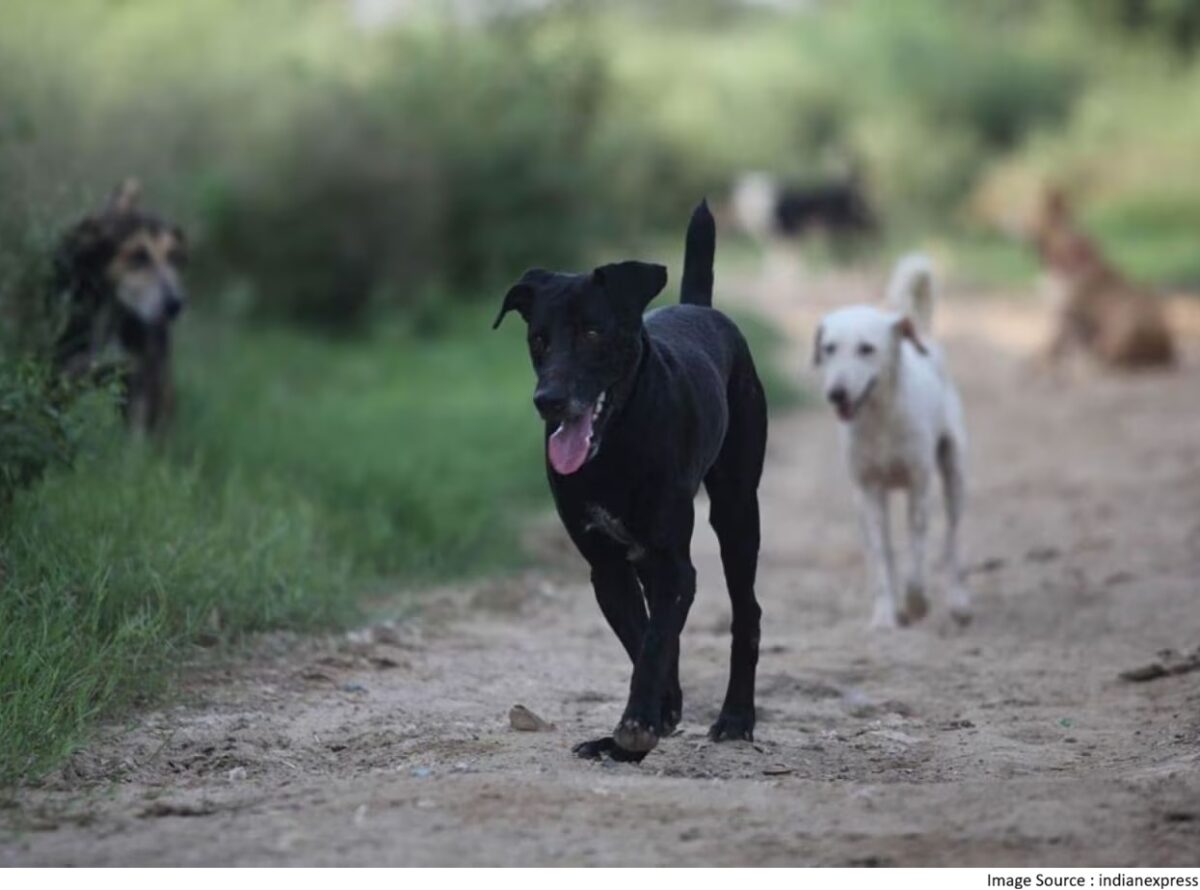
Indigenous Dog Breeds may soon replace foreign breeds in Madhya Pradesh’s forest dog squads as part of a major wildlife enforcement policy shift. Chief Minister Mohan Yadav has instructed the Forest Department to proceed with intensive research on the possibility of introducing native dogs to its current squads that currently use German Shepherd and Belgian Malinois.
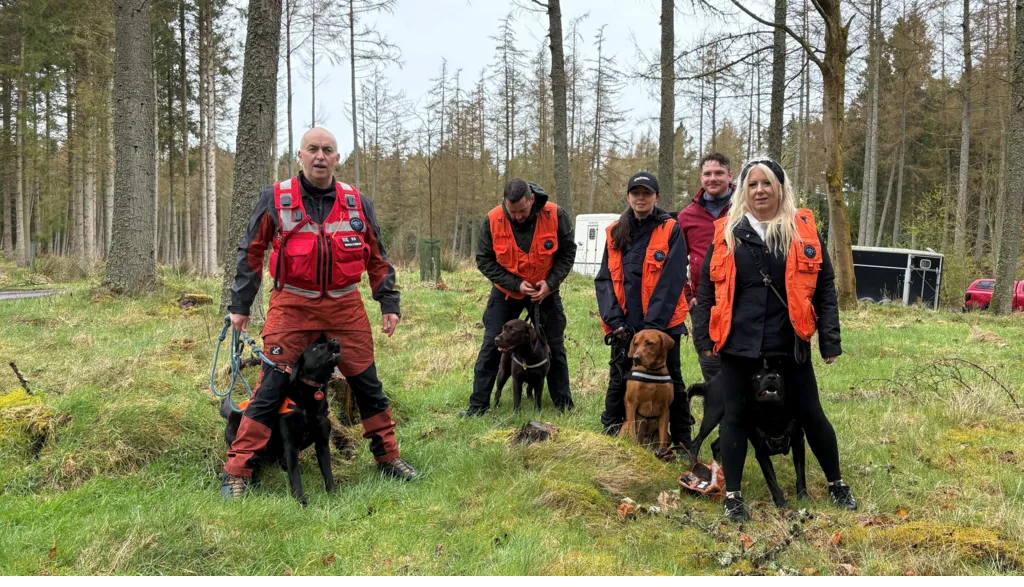
This suggestion was presented at the 31st meeting of the Madhya Pradesh State Wildlife Board, where conservation achievements and plans were discussed. Although there have been positive developments in the wildlife numbers in the state, such as tigers, elephants, and the reintroduction of the species, the state has had to endure the growing issues of poaching, illegal trade of wildlife and encroachments of the forests. Dog squads are used to respond to such threats.
The Role of Dog Squads in Conservation
Forest dog squads assist officials in:
- Following poachers with nose snacks.
- Locating contraband in the wildlife during raids.
- Locating traps and snares
- Assistance in patrolling thick forests.
- Helping in conflict management cases.
Conventionally, these teams have relied on imported breeds that are characterized by discipline and agility. Nevertheless, such breeds usually need specialized feeding, temperature-regulated conditions, and special attention. The heat stress is a serious issue in central India, where the temperatures often go above 45 °C during summer.
Why Consider Indigenous Dog Breeds?
Some of the Indigenous Dog Breeds being assessed by wildlife officials include:
- Indian Pariah Dog
- Mudhol Hound
- Rajapalayam
- Kombai
These breeds have already adapted to India’s climate and have developed strong endurance and resistance. The Indian Army, CRPF, BSF, and several state police forces have already used the Mudhol Hound, and it has proven its ability to work effectively in field conditions.
Potential advantages of indigenous breeds include:
- Increased resistance to extreme heat.
- Reduced medical and maintenance expenses.
- High immunity and resistance to diseases.
- Exhaustion in long forest patrols.
- Better adaptation to forest and rural land.
Balancing Tradition and Innovation
Although the foreign breeds have established a reputation for being the most trainable and suitable breeds, recent studies indicate that the Indian breeds can also be equally effective under the local conditions. There are 16 dog squads in the Forest Department now, and any move would entail proper training, testing and evaluation during a period of a few months.
This action has also precipitated another wider debate on the underuse of native Indian dog breeds in formal services. One reason is that preference to import breeds has been prevalent at the expense of the indigenous ones, although the native breeds are environmentally adaptable.
A Step Towards Sustainable Enforcement
The proposal represents a more general conservation agenda – matching the enforcement instruments to ecological facts. With the increase in the population of wildlife, there is an increased need for efficient and climate-appropriate support systems. Provided it is implemented successfully, the induction of indigenous breeds may:
- Enhance anti-poaching measures.
- Reduce operational costs
- Enhance animal welfare levels.
- Spread awareness of the indigenous Indian dog.
Finally, the effort is not simply a replacement of a breed. It will mark the change to locally adapted sustainable conservation practices. By adopting Indigenous Dog Breeds, Madhya Pradesh can become a role model for other states that want to find a more cost-effective and climate-resistant method of wildlife protection.