
Humane Solutions to Stray Dog Problem in India Today

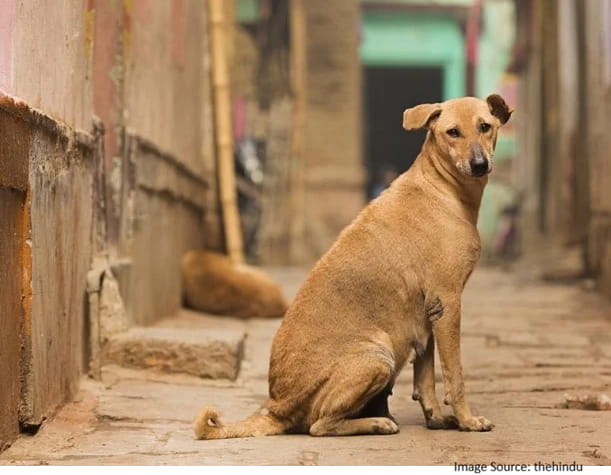
The stray dog problem is a public health issue that is encountered in India because the population of stray or community dogs in the streets is almost 60 million. Dog bites, rabies fear, and the increased urbanization have fueled controversies in the entire country. Through the outcry of the people and their emotional responses, a very vital question emerges: Can India find a humanistic solution to the stray dogs? The answer is not only yes, but also that India has both legal and ethical obligations to do so.
The Knowledge of the Root of the Problem.
It is poor management of stray dogs and not the problem itself. The situation has been aggravated by uncontrolled breeding, open dumps of garbage, the absence of vaccination, and ineffective implementation by the municipalities. In the past, authorities attempted inhumane practices such as mass extermination or deportation; however, these measures proved ineffective. Moreover, removing dogs from a specific area only creates a vacuum, which, in turn, is quickly filled by more dogs.
What the Humane Model India Already Has.
India is a signatory of Animal Birth Control (ABC) and Anti-Rabies vaccination (ARV) programme. This approach emphasises the control of the dog population without cruelty and protecting the health of the people.
The humanistic treatment involves:
- Uncontrolled breeding: sterilization of stray dogs.
- Rabies risk: Vaccination to eliminate this risk.
- Repatriation of the dogs to their natural habitat, where they become a form of natural repulsion towards new, unvaccinated dogs.
- Surveillance by local governments and animal welfare organizations.
- Scientific evidence and world health organizations support this model. Those countries and Indian cities that adopted it in the right manner have achieved great results in the number of dog bites and rabies cases.
Reasons Why Killing or Relocation is not the Answer.
Culling has been proposed following the occurrence of tragic incidents, but these measures are neither effective nor legal in India.
Issues with the non-humane practices:
- They do not decrease the population in the long run.
- They destabilize the territory.
- They enhance the aggression in the remaining dogs.
- They are breaking the law of animal protection.
- They are controversial and lead to social outrage and moral issues.
- Such actions, instead of resolving the problem, may cause fear, resistance, and failure cycles.
Humanitarian Solutions Benefit Humans as well.
Humanism does not practice pro-dog anti-human-mindedness, but rather, pro-society. Communities have been safer when dogs are sterilized, vaccinated, ed and well taken care of.
Key benefits include:
- Minimization of transmissions of rabies.
- Reduced aggressive behaviors in mating seasons.
- Stable dog populations
- Better co-existence between humans and animals.
- Reduced the city’s long-term expenses.
- Participation of Citizens and Local Authorities.
- The government cannot do it on their own. It is imperative to cooperate with the people.
What needs to improve
Improper waste disposal to curb food scavenging. Knowledge regarding safe behavior around dogs. Securing animal feeders rather than harassment. The municipality’s responsibility towards the implementation of ABC. Planning and vet involvement with NGOs.
The accusations that it is the dogs’ fault or the feeders’ fault are a distraction to the fact that the system is dysfunctional, and it is not being executed.
The Legal and Ethical Stand
The Indian courts have consistently ruled in favor of the unowned dogs as community animals, which have the right to life. There are laws against cruelty, mass killing, or illegal relocation. Any sustainable option should not disrespect human lives and the dignity of animals.
Conclusion
The answer to the problem of stray dogs can and should be a humane one in India. The instruments are already there, the legislation is there, and the science is obvious. The lack of these is the steady implementation, the awareness of the population, and the political desire. Human treatment of dogs is not a tender offer; it is the most convenient, powerful, and moral variant of acting. India can save its people and its animals by being compassionate with science, and it will be a model of how to co-exist in a world of increasing urbanism.
Reference link: https://www.thehindu.com/society/stray-dog-delhi-supreme-court-hearing-animal-welfare-coexistence/article70552731.ece