Is Wetherspoon Dog Policy Violating Assistance Dog Legal Rights?


The pet problem in social establishments has come back to the limelight as a major controversy after a watchdog report on dog policy, following the famous pub chain Wetherspoon. It is not a secret that Wetherspoon has regulations about the dogs in their premises, in spite of the fact that it serves cheap food and drinks and has a casual atmosphere. Criticism in recent years shows that the policy may not be fully aligned with the law requirements, especially concerning the right of access and the laws of discrimination.
This has also raised an argument between the dog owners, the customers, and even the business owners themselves. Even though the majority know about the need for hygiene and safety, some people state that certain restrictions are not necessary, as it may be a constraint for those who need the help of support dogs.
Learning the Dog Policy of Wetherspoon.
Wetherspoon is not a welcoming environment to dogs, with some exceptions being assistance dogs. The policy aims to provide a clean and comfortable environment for all guests, especially in areas where food is served. However, the watchdog’s concerns suggest that staff do not implement the policy consistently or effectively across all locations.
Some of these customers have complained that they were not sure about:
- Consent of emotional support animals.
- The way the employees find assistance dogs.
- Divergent operations in the different locations.
- The lack of certain visible information on the policy.
This misunderstanding may make it hard to deal with the customers who use service animals and make them feel discriminated against.
What The Law Said about Assistance Dogs.
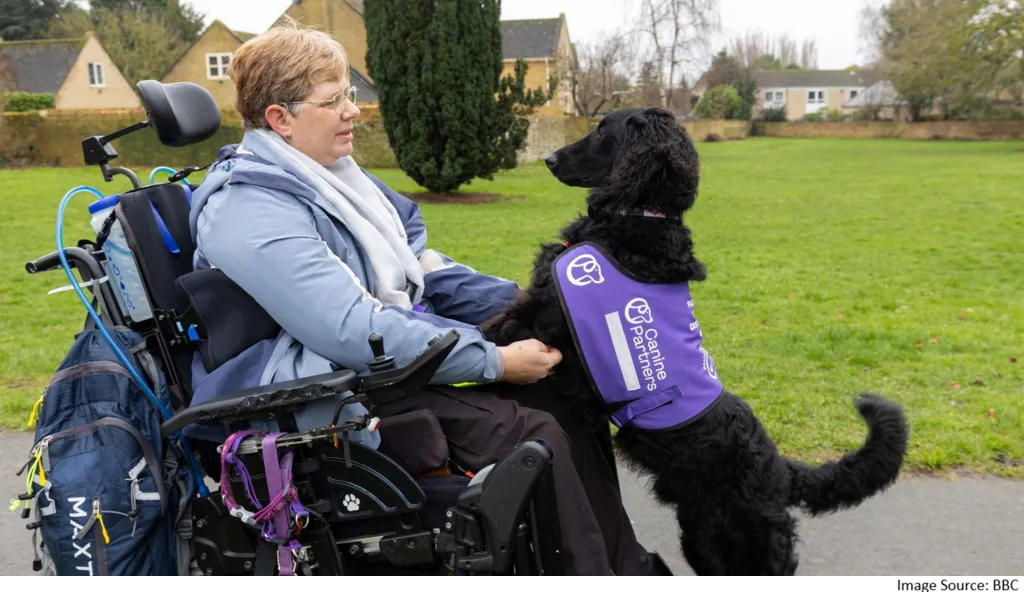
With the equality and disability legislations, assistance dogs are required to be admitted by businesses in most countries, such as the UK. Assistance dogs are not pets and are considered essential aid to the disabled. They help in mobility, vision, hearing, and other conditions such as epileptic seizures.
Far-reaching expectations commonly in the law are:
- Absence of prejudice against service animals at the open grounds.
- Treating with respect and dignity those with assistance dogs.
- No unnecessary questions obstacles to ask.
Any scenario where a business fails to comply with these guidelines can be considered a violation of the rights of disabled persons.
Why the Watchdog is concerned.
It is not necessarily about the watchdog that normal dogs should be prohibited. Instead, there is a question of whether the policy is being implemented and expounded well. Lack of training employees on the methods of recognising and accommodating assistance dogs in the appropriate manner can lead to legal battles.
The following are some of the problems raised:
- The employees who do not know the meaning of an assistance dog.
- Requesting the customers to demonstrate that it is not they who have to give.
- Laxity regarding rules.
- Lack of knowledge and awareness of disability rights.
- It may be legal that the very policy is, but the implementation may lead to problems.
The Customer Perspective
Dog owners have responded strongly to the situation. Some customers prefer to prohibit non-assistance dogs, believing this would improve hygiene and comfort in already crowded restaurants. Some of them feel that being more liberal, this would make the place more family and pet-friendly.
At the same time, individuals who bring assistance dogs are also highly prone to worrying about inquiring or being refused entry. They need access, and not luxurious access.
In terms of the customer point of view, the best option strategy will be:
- Good dog policy signs.
- Better disability law training.
- Standardization in all branches.
- This could prevent the risk of misunderstandings and make everyone feel respected.
- Business concerns and Business Dilemmas.
There are also high hygienic requirements attached to a food-serving business. The companies must balance between safety, comfort, and the cleanliness of the customers. Restricting animals in the indoor dining areas is not a new practice, but it needs to be exercised in a manner that avoids discriminating against anyone with an assistance dog.
In the example of a company like Wetherspoon, it is hard to do so because:
- Being able to enjoy a healthy and clean environment.
- Compliance with legal standards.
- Providing inclusive access
- Preventing bad publicity.
Moving towards a better Solution.
This and other instances highlight the necessity of revising the policies of the company on a regular basis. The misinterpretation would be prevented by effective communication and training to ensure that the law is observed.
Possible ways of improvement include:
- Policy guidelines should be revised among the staff.
- Giving the customers readable information
- Outdoor seating service to pet owners.
- Victimizing disability awareness training.
This could be achieved by the following processes, so that the environment becomes more inclusive and open.
Conclusion
The problems that the watchdog raised on Wetherspoon and its dog policy have raised a critical debate on the topics of access and inclusiveness, and the legal responsibility. Businesses must take into account the rights of people who rely on assistance dogs, while still maintaining a hygienic and comfortable environment in food establishments.
By training staff effectively, enforcing policies consistently, and communicating them clearly, businesses can create a more inclusive environment and reduce legal risks. The capacity to strike a balance between rules and inclusiveness is not only a good practice in the modern world but also a liability.