
Train Your Dog Inspires Better Parenting Worldwide This January

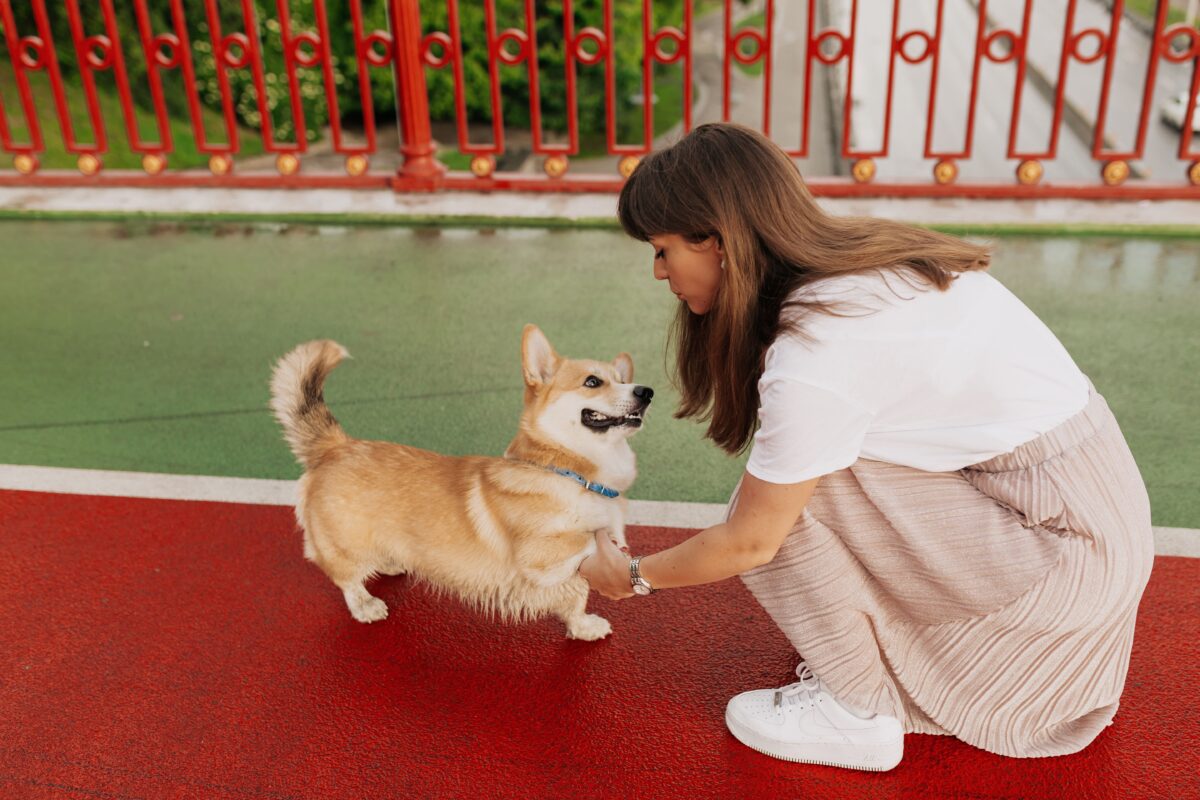
In January, every year, dog lovers worldwide gather to celebrate the International Train Your Dog Month, which is a global campaign that aims to educate pet parents on the need to adopt professional, positive, and scientifically supported dog training. Developed in 2010 by the Association of Professional Dog Trainers (APDT), the following annual campaign is designed to help families strengthen the relationship they have with their dogs by communicating with them in a better way, using humane pedagogies, and establishing a routine of training.
What started as a campaign has expanded to a global movement that prevents irresponsible dog ownership. Modern research has provided a greater understanding of the dog’s thought process, how dogs learn and react to reinforcement, and therefore, pet parents have never been better informed than they are today. Training is no longer an optional process, a part of the emotional and behavioral progress of a dog.
Why This Month Matters
Train Your Dog Month is there to do just one thing: to make the dogs and the families happier.
Training is not just about learning how to be polite. It helps to develop confidence, eliminates anxiety, prevents risky actions, and improves the lifelong relationship between people and their pets. The campaign emphasizes the positive aspect of reward-based and force-free training- the methods that are effective, humane, and do not cause any emotional harm to the dogs, regardless of their age.
Training Your Dog: Essential Do’s
1. Reinforce What You Want
Animals revert to actions that reward. Appreciate the good stuff–calmness, sitting nicely, going when called, even when you did not request it. This capturing technique will promote naturally desirable behavior.
2. Focus on Replacement Behaviors
Rather than telling a child, avoid jumping, show a valuable alternative, such as sitting. It is much better to provide dogs with options than to correct them all the time.
3. Be Consistent
Harmony brings out order. Brief regular training sessions involving daily activities make dogs learn more quickly. Ensure that the family members employ the same cues and reinforce the same behaviors.
4. Understand That Dogs Are Dogs
Barking, chewing, or digging are some of the behaviors that seem annoying to humans, but to dogs, they are normal. Take advantage of high-value rewards to develop other forms of behavior that suit your household.
5. Be Patient and Kind
When training is tough, make it easier, reduce distractions, or more importantly, make the treats more valuable. Training is not to be a competition; it is a process that is developed on trust.
6. Start at Home
Teach behaviors in a calm environment first, then gradually increase distractions. This prepares your dog to succeed in the real world.
Training Mistakes to Avoid
1.Don’t Use Your Dog’s Name Negatively: Their name must augur well, but not as a penalty.
2. Don’t Repeat Commands: Excessive use of cues leads to the dogs ignoring them. Say once reward when true.
3. Don’t Reinforce Bad Behaviors Accidentally: Jumping, whining, and pawing are usually rewarded, making it a habitual behavior. Distract, reinstate calmness, and model substitutes.
4. Avoid Aversive Tools: Prongs, choke chains, and shock collars could work in the short run to reduce behavior, but in the long term, they tend to generate fear, anxiety, and profound behavioral problems.
A Lifelong Benefit
There are a large number of dogs deposited in shelters because of avoidable behavioral problems. Train Your Dog Month is a wake-up call to remind people that training is not an extravagance, but a necessity. The investment that you will make today will determine a lifetime of trust, happiness, and friendship.
Begin this January purposefully. Train with love. Train with understanding. And, above all, train to develop a more solid relationship with your best friend.
References Link : https://thezebra.org/2025/12/07/january-is-international-train-your-dog-month/