Street Dog Adoption Drive Launched Calls For Public Participation


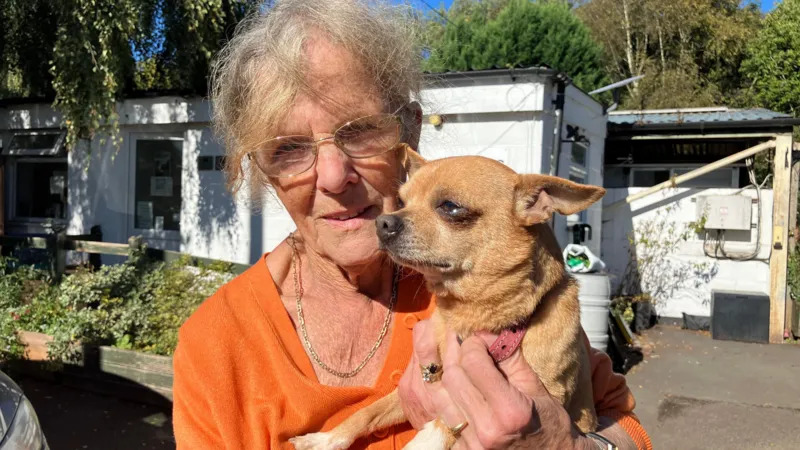
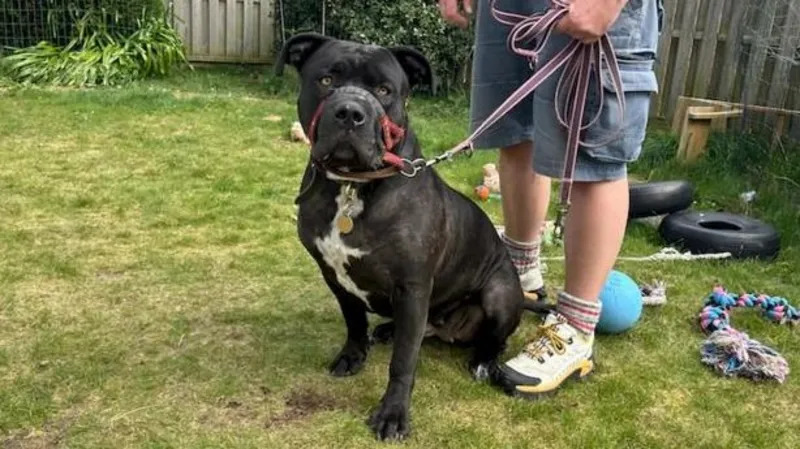
A brown mixed-breed dog at the peaceful street corner of the early morning is enjoying life and shaking his tail in delight to every person who walks by. He is rather curious, and at the same time, he is eagerly awaiting it. This mundane behavior is an excellent representation of the bigger trend that is rising in the city. The Municipal Corporation Council (MCC) has formally started the street dog adoption campaign and is encouraging the public to come forward and offer the miserably living dogs a second chance at life. This drive is not just an initiative; it is a demand for the very qualities of kindness, accountability, and spirit of the neighborhood.
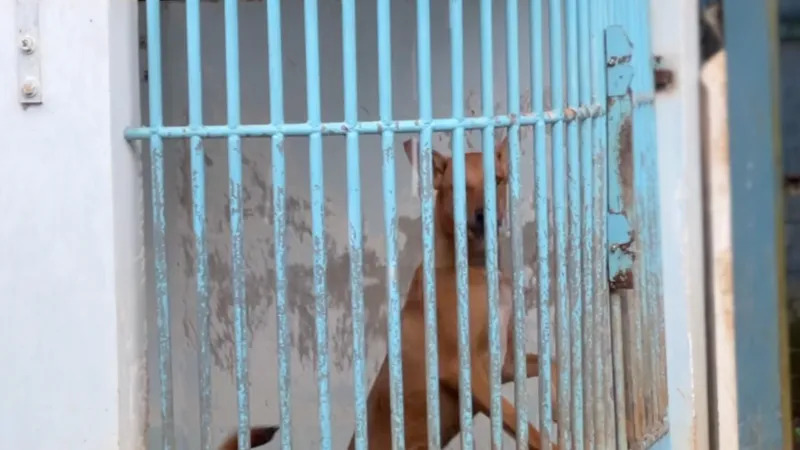
Estimates put the number of stray dogs in India at several million. All stray dogs are extremely loyal, witty, and very hard to kill. Nevertheless, a dog’s life on the street often means being neglected, starving, hurt, and suffering from the weather. Through the adoption program, the M.C.C. is trying to convince people not to shop for a dog but to adopt one, and that street dogs indeed can be very loving and healthy companions.
Why This Adoption Drive Matters
Street dogs are frequently misinterpreted. They are not, as the common opinion goes, unmanageable but rather adaptable, low-maintenance, and extremely loyal. The MCC initiative is aimed at moving the stray population down the line through humane means and uplifting the standards of animal welfare in the process.
The significance of this adoption campaign is that it:
- Promotes humane population control through adoption rather than abandonment
- Reduces conflicts between humans and street dogs
- Decreases the burden on overcrowded shelters
- Encourages responsible pet ownership
- To promote the coexistence and empathy culture
People and animals alike will benefit from the participation of citizens who will directly make the urban environment safer and more pleasant.
What is included in the program of the MCC Adoption Drive?
The MCC has organized the program in such a way as to make adoption easy, transparent, and safe for both dogs and adopters. A number of measures have been taken to guarantee animal welfare and build up trust with the adopters.
The main characteristics of the drive are:
- Dogs of health check: Dogs are vaccinated, sterilized, and dewormed before being released to adopters.
- Behavioral evaluation: only the friendly and adaptable dogs are qualified for adoption.
- Adoption camps: Public parks and community centers will host regular adoption events.
- Support guidance: A first-time adopter gets counseling and care tips.
- Post-adoption follow-up: MCC teams will monitor the well-being of the adopted dogs.
All these measures make it certain that adoption is a commitment to be made after much thought and is thus a rewarding decision.
The Role of the Public: You Are the Change
Public interaction plays a big role in bringing about the success of this initiative. The representatives of the MCC stress that even small activities can have a great impact. You do not have to adopt a pet now to be of help.
Here are some ways in which the citizens can assist:
- By adopting a street dog, you are giving it a lifelong home.
- If a permanent adoption is not feasible, then fostering a dog for some time can be a good option.
- Work in adoption camps.
- Let your friends and the community know about the initiative through social media.
By expressing support for local animal welfare organizations, you can give your share of a “positive” in animal-affairs goodness happening in your locality. The change will be nurtured by every share, every conversation, and every act of kindness.
Clearing Misconceptions About Street Dog Adoption
In spite of increasing understanding, there are still some misconceptions that make adopting street dogs difficult for many people. Let us clarify some of them:
- Myth: Street dogs are usually aggressive.
- Fact: The majority of stray dogs are quite affectionate, and because they quickly establish that they are in safe environs, the aggression levels fall conspicuously.
- Myth: They lack healthiness.
- Fact: Vaccinated and sterilized street dogs are often healthier than poorly bred pets
- Myth: They cannot adjust to home life
- Fact: Street dogs adapt quickly and are highly intelligent
Cracking these myths open is a necessity for raising adoption rates.
A Win-Win for the City
Adoption of street dogs brings a great deal of good to the city. A minimal dog population on the streets contributes to fewer accidents, fewer noise complaints being fewer, and better public hygiene being better. To emphasize more, it promotes a small society of people who care and are friendly to one another.
Kids learn the virtue of empathy, and the area around the city becomes more welcoming to animals and rescued dogs that form lifelong bonds with the families who adopt them. Adoption not only saves a dog it helps build a compassionate society.