Tarina Warren Guide Dog Redefine Life on Moolooloo Station

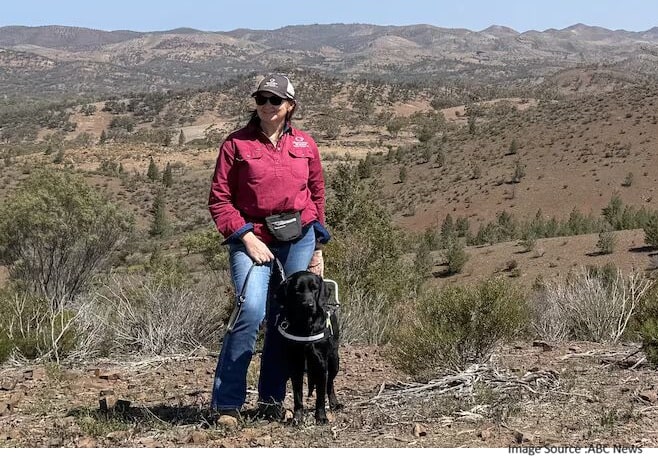
Tarina Warren was only sixteen years old, and her life had changed forever. The loss of sight was an abrupt condition that made normal things, such as walking, working, and even the faces of people you were used to, a nightmare. To a large segment, it would have involved sacrificing a rural life. But Tarina was not going to be a victim of blindness. Nowadays, she works and lives in Moolooloo Station, a large sheep station in South Australia, which shows that nothing is impossible with determination (and the right company).
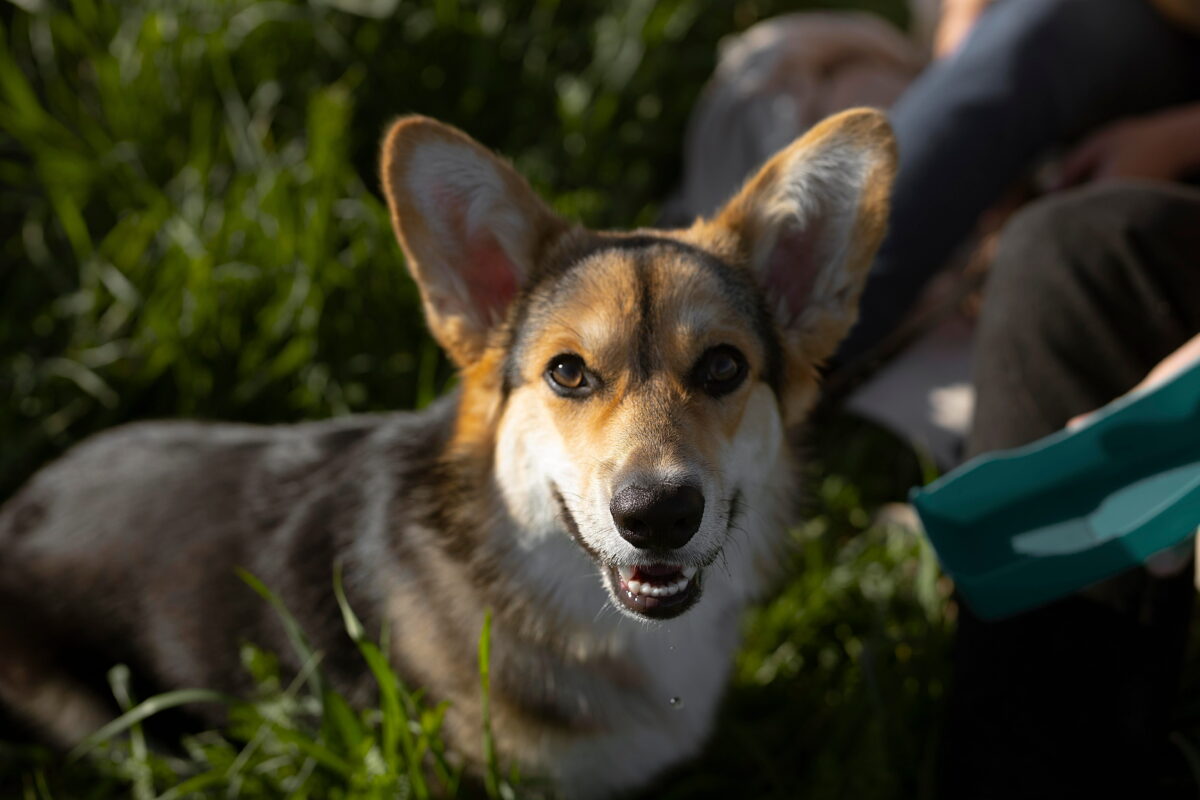
She does not find the most effective support in technology or machines. It has four legs, a wagging tail, and unwavering loyalty: her seeing-eye dog.
Where vision loses, manliness rises.
It was dreadful to go blind at that age. Tarina became an independent teenager, and she had to rely on other people to make the most basic movements. The uneven ground, fences, and wandering livestock of wide open spaces, such as Moolooloo Station, might have been a hazard to an individual with no sight.
But Tarina was to maintain her affiliation with the land she adored. Rural life was not only a home, but it was a part of her being. That is when she got a seeing eye dog, not only as a guide, but as a partner.
More Than a Dog A Lifeline
The guide dog of Tarina does much more than just drag her this or that way. In a working station where accidents can happen suddenly, the dog is always surveying the surroundings, and its decision-making saves the life of Tarina.
The dog helps her:
- It should not be obstructed by fences, gates, androughy grounds.
- Walk over lengthy walks in the station.
- Moving safely around animals such as cattle and sheep.
- Locate doors, cars, wand ell-known places.
- Be confident in new surroundings.
This help is life-changing indeed in a place as big and unpredictable as it is at the Moolooloo Station.
Life in the Country Without Borders.
Blindness is often perceived as the renunciation of outdoor or physically challenging labor by many individuals. Tarina is demonstrating the contrary. Her guide dog accompanies her, and she can walk around the station in the paddocks, inspect the livestock, and move freely around.
She is connected, not to her solitude, but to the land, to her work, to her independence.
What is even more amazing is that even the station environment is not accommodative of the visually impaired. No paved streets, no streetlight, no point of a road. But Tarina and her dog evolved; they have a special style of their mutual language and trust.
A Bond Built on Trust
It is not only professional; it is very emotional as Tarina and her seeing eye dog are closely connected. Trust directs every move she makes. And with each safe crossing, with each obstacle avoided, they are evidence of the fact that the relationship between the two works.
- Her dog knows her speed, her ways, and even her tempers.
- This emotional attachment provides Tarina with something as meaningful as mobility: confidence.
- Since she is aware of the presence of her dog, she can live and not worry.
- The Lessons to be learned by Tarina. It is not just a personal victory for Tarina.
It serves to remind us how effective the assistance dogs can be, and how being available is not just about technology, but about companionship and knowing.
Her story shows us that:
- Being disabled does not imply that one lacks ability.
- The right support can restore independence.
- Animals have the power to transform the lives of humans.
- It is possible to make rural settings accessible with the necessary help.
Seeing Life in a New Way
Tarina is blind, legally, but in many respects, he is much more observant than most. She finds power in being weak. Where others perceive restraint, she perceives possibilities. And she sees the world through the eyes of her guide dog, not as something that has been lost to her, but as something beautiful and different.
Tarina Warren is not simply surviving at the red earth of Moolooloo Station, with her faithful dog as her guide.
Reference link: https://www.abc.net.au/news/2025-12-24/seeing-eye-dog-helping-on-outback-south-australian-sheep-station/106119816