Dhole Conservation Protects India’s Endangered Wild Dogs

A Positive Sign for Wildlife Conservation
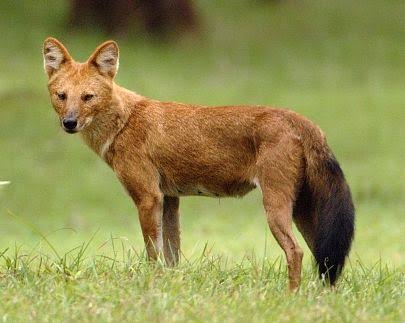
Many animals live in India’s forests, and the dhole, or Asiatic wild dog, is one of them. The reddish-brown colour of its fur, bushy tail, and social behaviour make this wild dog an important component of the Indian forest ecosystem. While there are a number of dangers for the dholes, conservation measures can provide solutions for this animal.
The dholes, or Cuon alpinus, are endangered, according to the IUCN Red List. For dholes to survive, there must be healthy forests, sufficient prey, and no interference from humans. The good thing about the survival of dholes in certain areas is that it proves the importance of wildlife watching.
Why Dhole Conservation Matters to Nature
They are sociable creatures, living and hunting in packs. It is their group effort to find and chase down their food, showing excellent teamwork. Being predators, they play a vital role in controlling the number of other species around them and improving the environment.
The presence of dholes gives scientists some information about the health of the forest. If there is sufficient habitat and prey, then the chances for the survival of dholes are much greater.
Encouraging Signs for Dhole Conservation
One of the good points in wildlife conservation is that scientists and forestry workers keep studying animals and finding out new locations that could be helpful in terms of restoring the populations of dholes.
In fact, these measures can help in making some practical steps, like ensuring the protection of forest passages, resolving conflicts between humans and animals and saving prey species necessary for dholes to survive. Nevertheless, the discovery of new individuals does not mean that the population has been restored completely.
How Dhole Conservation Efforts Help Wildlife
Several important actions can improve the chances of survival for these remarkable wild dogs:
- Forest preservation: Preserving natural habitats will create room for hunting, breeding, and upbringing of the young dholes.
- Creating wildlife corridors: The interconnectedness of forests will give the animals room to move between habitats.
- Preventing human-wildlife conflict: Community education and proper care of livestock may prevent human-dhole encounters.
- Monitoring populations: Cameras and scientific studies aid scientists in monitoring dholes’ range and behaviour.
- Protecting prey species: Large numbers of natural prey keep the food chain going and allow predators to survive.
Local communities too need to play an important role. Providing reliable information regarding wildlife and backing up sound conservation programs will ensure safe coexistence between humans and wildlife.
What This Means for India’s Wildlife
Protected forest areas and wildlife zones of India serve as vital habitats for the dholes. Areas such as the Western Ghats and certain areas of central and eastern India offer suitable environments for the survival of these creatures, provided suitable habitat and protection are available. The dholes are widely distributed in India, and thus local surveys are necessary.
Positive developments in the field of conservation show that protecting wildlife is a collective effort. Every little thing we do to conserve the forests and conduct research can make a difference.
A Hopeful Future Through Dhole Conservation
Dhole Conservation shows that endangered wildlife can have a brighter future when people work together to protect it. Though there are many dangers, further studies, protection of the habitats, and involvement of communities can make the future better for this amazing animal.
Besides viewing wildlife conservation in terms of the difficulties faced by the animals, it is important to see the good results achieved through wildlife conservation efforts. Saving the dholes would mean saving not one but several other species.
References Link: https://www.eenadu.net/telugu-news/telangana/most-dangerous-animal-in-the-forest-is-forest-dogs/1899/126186328