Avalanche Dogs Sniff Out Their Final Days in Canada

A 55-Year Rescue Tradition Comes to an End
The decision to end the Avalanche Dogs search and rescue programme in Canada’s Rocky Mountains has sparked public outrage and raised concerns about safety in one of the country’s most popular tourist destinations. Parks Canada announced it will phase out its last dog handler role in Banff National Park, which has been in place for 55 years.
The move is part of government-wide spending cuts which Prime Minister Mark Carney implemented. In 2012, Parks Canada announced that it is cutting its workforce by hundreds of people, which is part of a larger budget reduction of C$145 million.
How Avalanche Dogs Help Save Lives
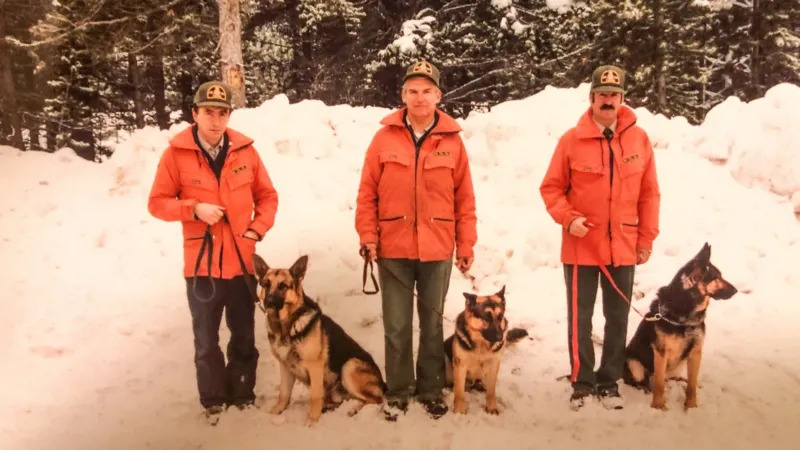
Over the last few decades, specially trained dogs have assisted in locating missing hikers, missing children, and those buried under avalanche snow. They have an outstanding sense of smell and can find a person and evidence that might be hard for humans to locate.
Retired dog handler Scott Ward had several lifesaving missions in the Canadian Rocky Mountains during his 17 years of service. In one case, his canine companion found lost children in Banff National Park. In another, the dog went to the aid of an injured man whose severe hypothermia was being treated on a mountainside.
Ward is convinced that if the programme is removed, it eliminates an important tool for public and staff safety.
Avalanche Dogs and Leroy’s Remarkable Rescue Record
Leroy retired in August after 7 years of working for the programme he was the final German Shepherd and is a legend. He has assisted in tracking down 156 people, finding 57 lost in the wild, and two murders in Banff during his career.
Before Parks Canada announced the programme’s cancellation, a replacement dog had reportedly been trained and was ready for duty.
Key Contributions of the Rescue Dogs
- Located people buried under heavy snow reducing the need for long manual probing operations.
- Helped locate missing persons in remote areas hikers, children, and other visitors.
- Crime investigations: Helped authorities find evidence and solve serious crimes.
- Better safety: Shortened the rescuer’s exposure time to hazardous conditions and secondary avalanches.
Public Backlash and Calls for Reinstatement
This decision has prompted a lot of public opposition. Conservative MP William Stevenson from the Banff riding started a petition to restore the programme. It was signed by over 5,000 people within days.
Stevenson says he’s a proponent of responsible government spending, but cutting the rescue dog service could not affect safety. He has also tabled the issue in Parliament and asked the CE of Parks Canada to meet him.
What Happens Next?
They will continue to search and rescue using other means, Parks Canada says, and it was a tough choice. But critics have doubts about the speed and efficacy of trained rescue dogs.
Canine teams are still in use for mountain rescues in other countries such as Italy.