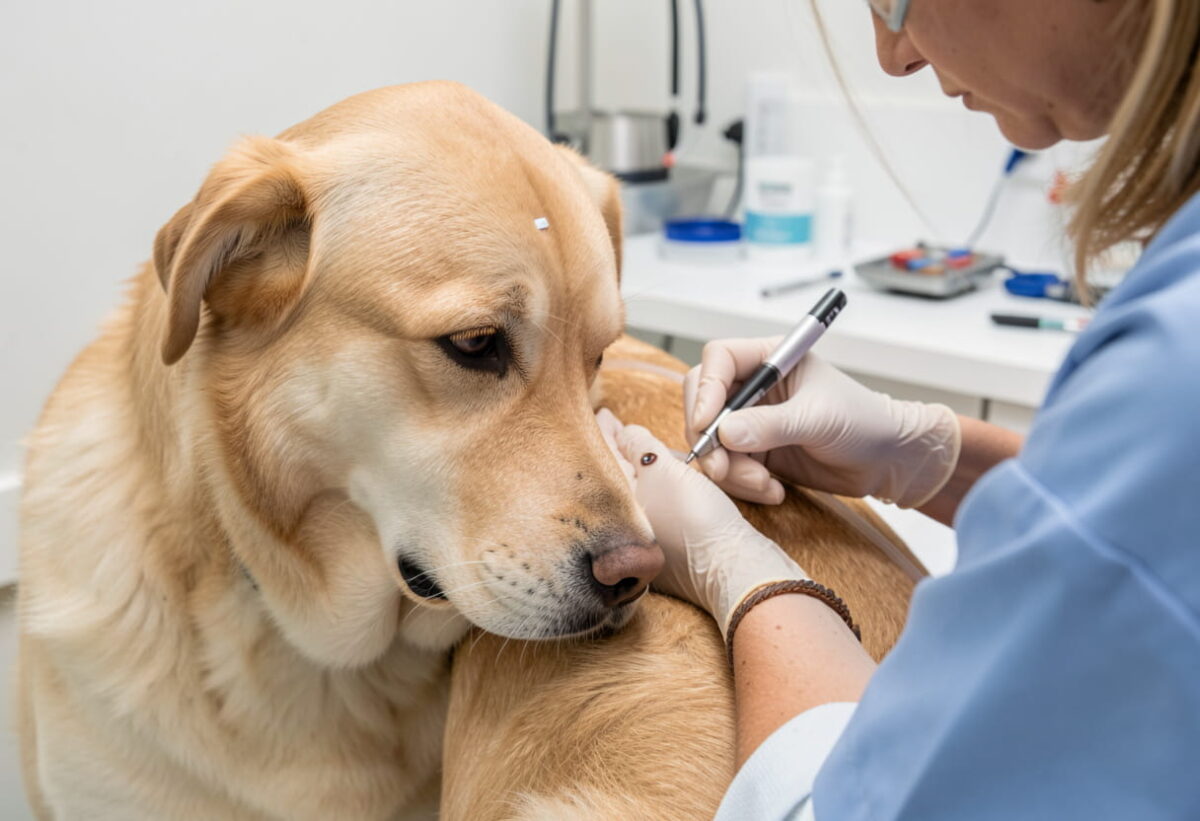
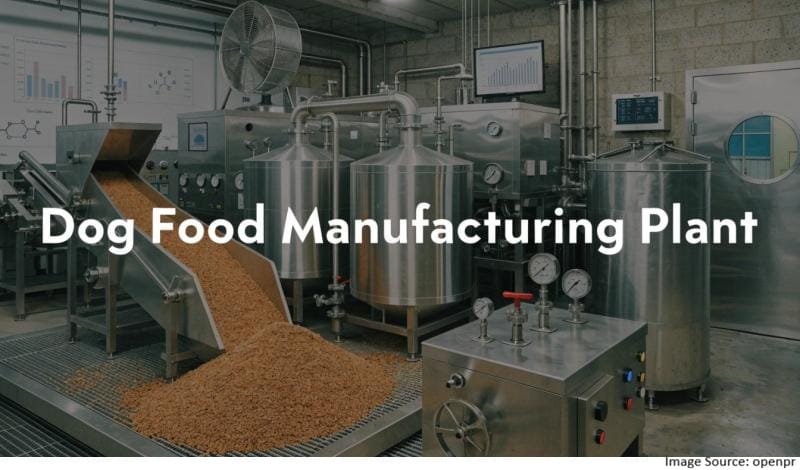
Dog Food Manufacturing Setup Investment and Market Growth

The Dog Food Manufacturing Plant industry is experiencing rapid growth as the global pet care market expands, making dog food production one of the most lucrative investment opportunities in food processing. The rising popularity of pet ownership, heightened sensitivity of animal nutrition, and the rising tendency to treat pets as family pets are all contributing to the continued growth of demand for high-quality dog food products across the world.
By setting up a dog food production facility in 2026, the entrepreneurs have an opportunity to have a business model that is scalable and very profitable, which is backed by recurring consumption needs.
Growing Market Potential
The dog food market across the world continues to show robust long-term growth. The market size is estimated to be USD 75.33 billion in the year 2025, with an increase of 105.29 billion in 2034, with a stable CAGR of around 3.8. The factors that contribute to this growth include:
- Increased use of pets among urban households.
- High disposable income among consumers.
- Increased attention to the health of pets and healthy nutrition.
- Premium and functional pet food products demand.
- Growth of online shopping and systematic pet stores.
Consumers are moving towards more specialized kinds of dog food, including grain-free dog food, high-protein dog food, weight-control dog food, and therapeutic dog food mixes. These up-end markets offer more profitability to producers.
Dog Food Manufacturing Capacity and Production Scale
An average dog food manufacturing plant has a capacity of between 20,000 and 40,000 metric tons, depending on the production capacity per year. With this scale, manufacturers can just need to realize the economies of scale and still be flexible enough to cater to various market segments, including:
- Retail commercial brands of pet food.
- Clinical nutrition products and veterinary.
- Distribution websites that sell pet food online.
- Nutrition of performance and working dogs.
This type of scalability enables the investors to start on a moderate scale and increase production as the demand increases.
Investment and Cost Structure
The establishment of a dog food production facility would demand a lot of capital investment in terms of land development, machinery, construction, and the establishment of operations.
Key Capital Expenditure Components:
- Acquiring land and infrastructure development.
- Handling machines like grinders, mixers, extruders, dryers, and coaters.
- Robotized package systems.
- Storage facilities and construction of factories.
- Installation, licensing, and certifications.
Dog Food Manufacturing Operating Expenses (OpEx)
The main components of operational costs are raw materials and utilities:
- Raw Materials: 7080 percent of the total cost of operation.
- Utilities: 10–15% of operating cost
The main sources of protein are meat meals, which may include poultry, fish, or beef meal, and the main sources of carbohydrates are grains, which include corn, rice, and wheat. Long-term supplier contracts allow for stabilizing prices and providing stability in production.
Profitability and ROI
The manufacturing of dog food has good financial returns because of the daily consumption needed. It is projected in the industry that:
- Gross Profit Margins: 30–40%
- Net Profit Margins: 12–18%
Compared to discretionary consumer goods, the demand for pet food is reasonably steady even during fluctuations in the economy, guaranteeing stable revenue sources.
Manufacturing Process Overview
The production process includes several controlled processes:
- Finding raw materials and their inspection.
- Ingredient mixing and grinding.
- Kibbling through extrusion and cooking.
- Shelf stability is achieved by drying and cooling.
- Flavour coating and enrichment.
- Safety checks and quality tests.
- Automated distribution and packing.
The high extrusion technology can be used to produce at large scale but retain the nutritional values and food safety level.
Why Invest in Dog Food Manufacturing?
- Some of the reasons why this industry is desirable are:
- Increased pet population all over the world.
- Repeat purchases guarantee repeat purchasing.
- Expansion of therapeutic and premium diets.
- Online pet food market growth.
- Scalable production systems, which are technology-driven.
Conclusion
The dog food manufacturing business is an investment opportunity that is strong and future oriented in 2026. Long-term growth can be enjoyed by the entrepreneurs and food processing companies with stable demand, high profit margins, and increasing premium product segments. The key components are strategic planning, sourcing of reliable raw materials, and modern technology in the manufacturing process to have a successful and competitive dog food production business
References Link: https://www.openpr.com/news/4409677/dog-food-manufacturing-plant-dpr-unit-setup-2026-machinery