Unnoticed Signs Your Dog is Stressed This Christmas

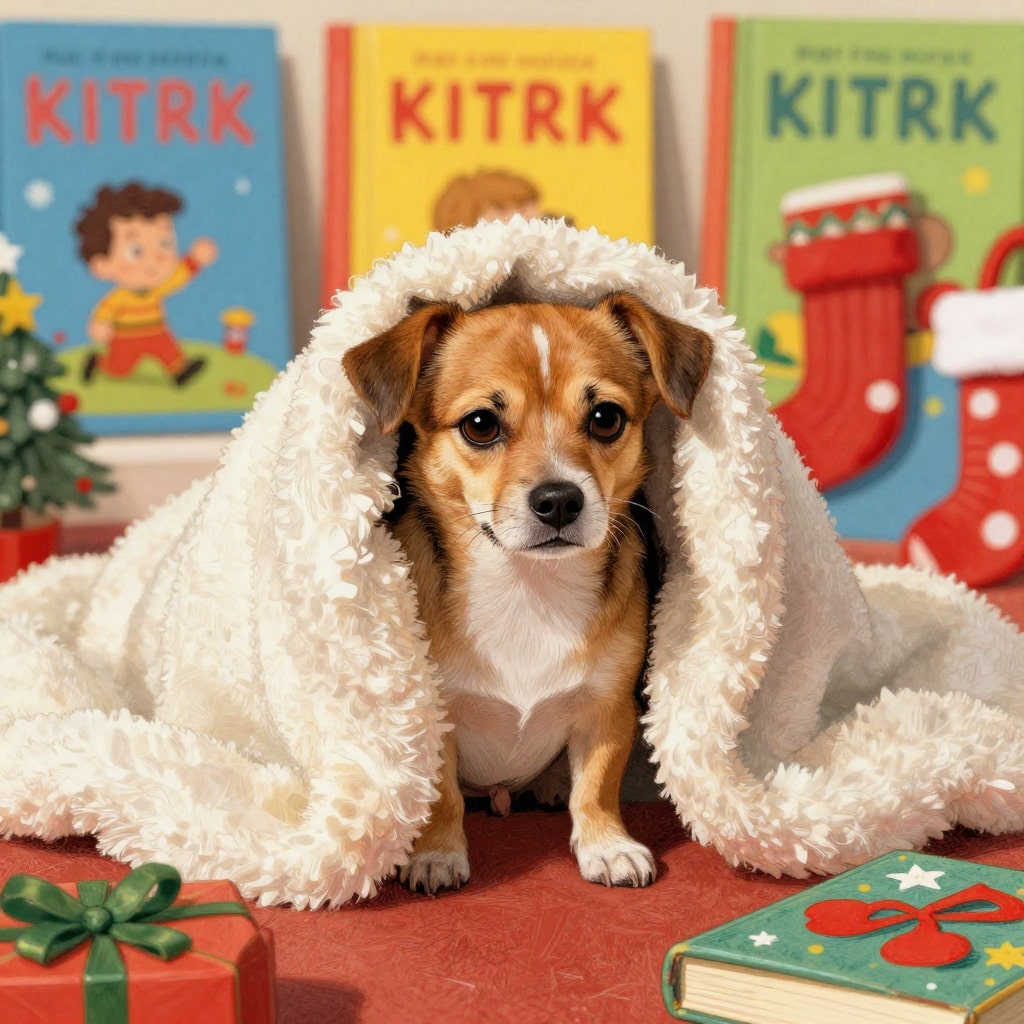
Christmas is such a time of happiness, family time, and rejoicing. But even though we are happy during the celebrations, our furry friends are at times overcome by the celebrations. Dogs are also very sensitive to fluctuations in the energy, routine, and environment, and the holiday period may provoke slight indicators of stress that are usually overlooked.
Lucy Howells, a veterinary nurse with Butternut Box, says:
Dogs are aware of changes that occur in the world around them the instant Christmas Day starts. They feel our exaltation, our anxieties, and our precipitations, much better than owners are aware.
Why Christmas Can Be Stressful for Dogs
Dogs do not perceive the holiday based on the idea of Christmas, but due to their experience. Their routine can be broken by busy homes, new smells, new people, and additional treats. Lucy observes that, as much as most dogs like to be attended to and be busy, some can be confused in case quiet zones are visited or routines adjusted.
Christmas Day introduces:
- The frequent entry and exit of guests.
- More food is accessible, and weird cooking smells.
- Wrapping paper on the floor
- Several alterations in everyday life.
Such changes may cause excitement as well as test the level of comfort and self-control of a dog.
Signs Your Dog is Happy and Comfortable
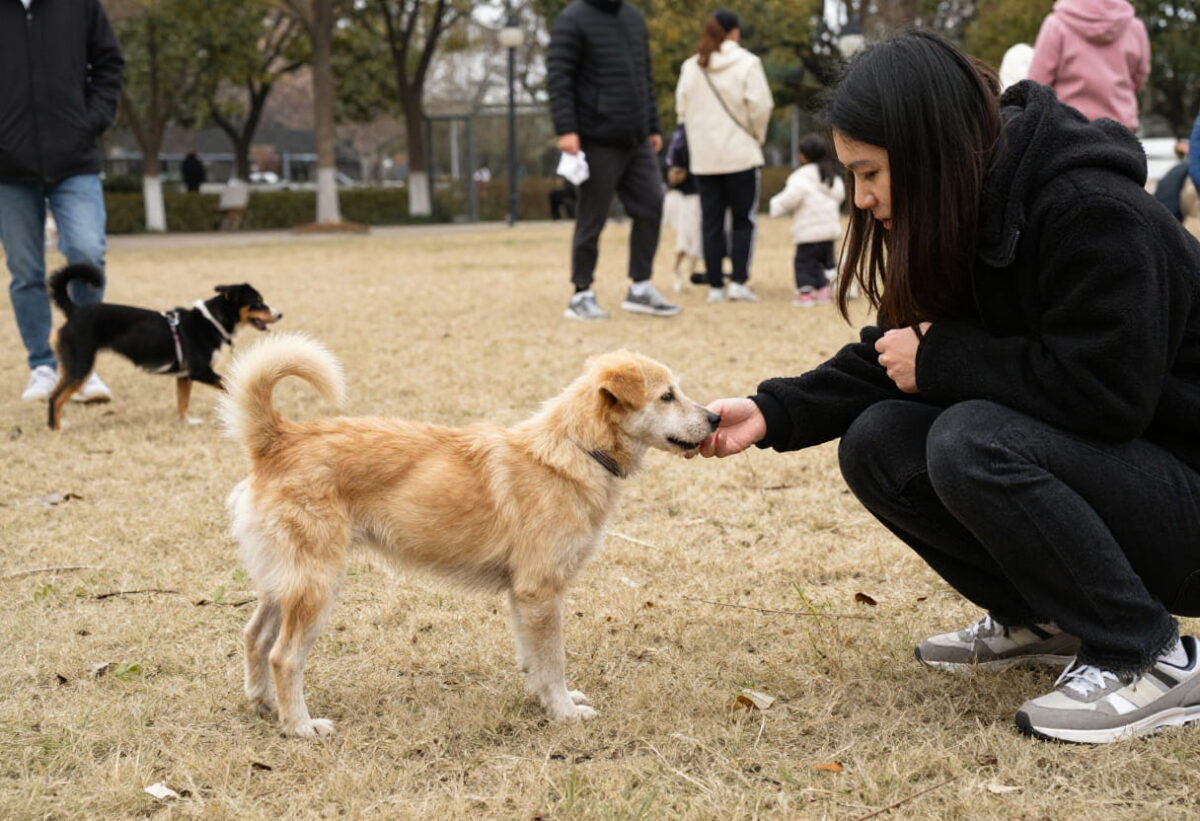
Even in a hectic day, joyful dogs will portray unmistakable indications of calmness and joy. Look for:
- Loosely moved relaxed body posture.
- Going to family members to draw their attention or get in touch with them.
- Taking an interest in free activities.
- Relaxation of breathing and movement of the tail.
Subtle Signs Your Dog May Be Stressed
Not all the symptoms of discomfort are readily noticeable. Lucy identifies the following behaviors as signs of mild stress or anxiety:
- Trembling or pacing: Dogs tend to pace or shake when they are not sure of what to do, and this is a way to release their tension or try to be safe.
- Shunning: When one keeps rejecting new persons or pushing them to the farthest part of a room, then it signifies social overload.
- Being behind furniture: Finding a quiet place or area assists dogs in coping with excessive sensory stimulation.
- Lip licking or yawning when not tired: These are minor movements that convey little stress or misunderstanding.
Practical Tips for a Dog-Friendly Christmas
The strategies to be used to keep your dog quiet and at ease may include:
Reduce noise and disturbance: Present guests one at a time and do not make as much noise as possible. Shield food preparation zones: To avoid accidents, place dogs in a familiar area when preparing food.
Create a secure environment: Crates, beds, or rooms that are quiet present your dog with a place to rest and recuperate.
Stick to habits: Have a sizable walk during the holiday and eat frequently so that there is a consistent schedule in the chaotic holiday atmosphere.
Be aware of symptoms of discomfort: In case your dog appears restless, avoids some of the rooms, or clings more than usual, provide him or her with some consolation and time predictability.
Lucy sums it up:
“Balance is key. Dogs are happiest when they are kept to routines, and additions of festivals are harmless and pleasant. The serene, disciplined environment means that you and your dog will be able to have the holiday together.
Through such minor signs, the dog owners will be in a position to make Christmas a happy and stress-free holiday for their four-legged companions.