Elephant Rescue Operations Using Dog Squad in India

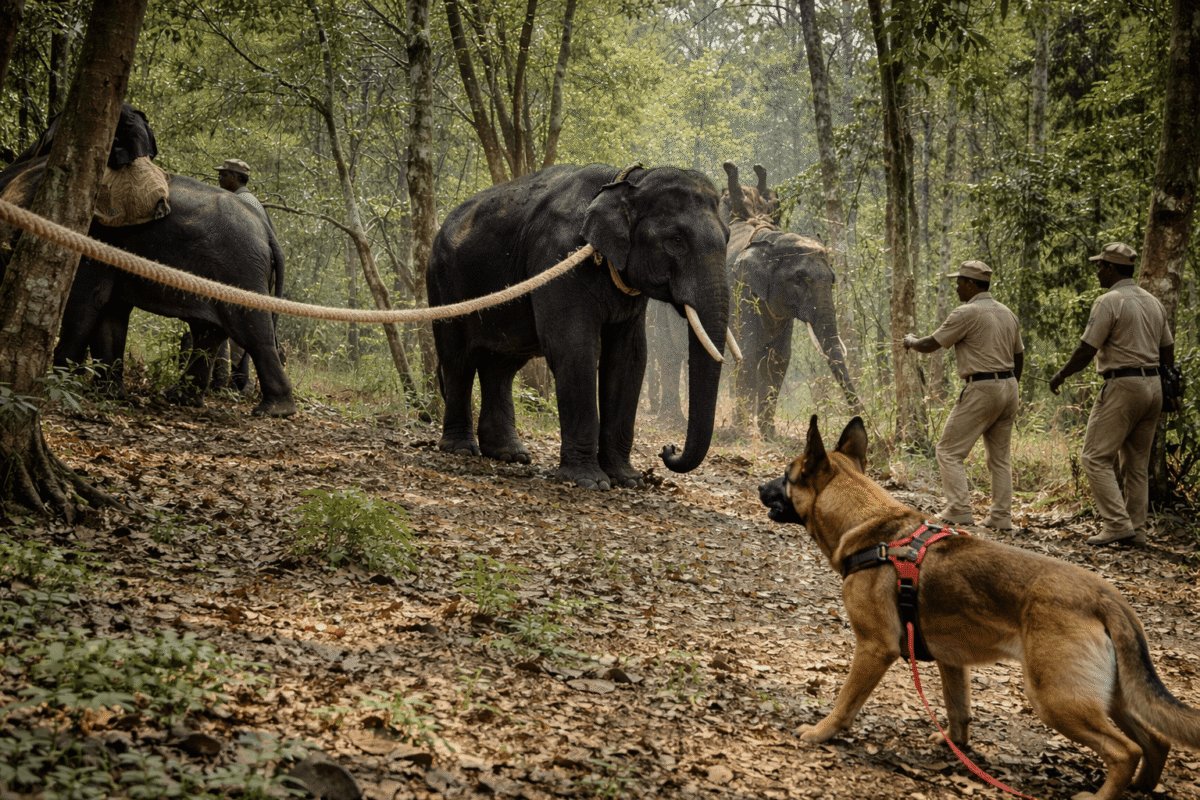
Elephant rescue operations in India have taken a new turn as the Forest Department introduced a trained dog squad to improve tracking and rescue efficiency. This is a new move that will not only deal with the increasing problem of human-elephant conflict, but it will also enhance the effectiveness of managing wildlife. The exercise, which was undertaken in Karnataka, is a major step in integrating the conventional wildlife tracking methods with the modern conservation methods.
A New Approach to Wildlife Conservation
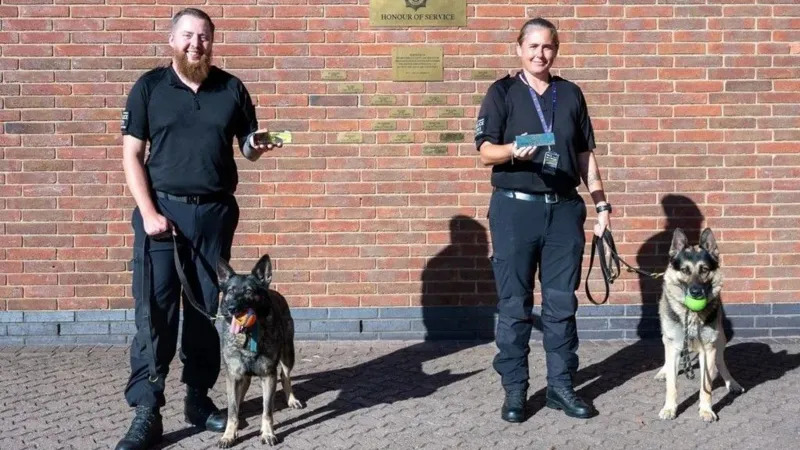
The project was conceived together with a conservation organization and aims to have specially trained dogs to trace wild elephants. These dogs are armed with massive scent-sensory powers that enable them to detect the presence of the elephants even in the deep forests where they can hardly be seen.
Historically, forest officials would use foot patrol, drones, and GPS tracking methods. These methods are effective but limited in tough terrains; trained dogs improve tracking accuracy and speed up rescues.
How the Dog Squad Helps
The trained dogs are essential in the search for elephants and leading forest teams in rescue operations. Their sense of smell helps the officials to respond swiftly and avoid possible disputes.
Key Roles of the Dog Squad:
- Identify new elephant movement using scent marking.
- Help to find elephants in thick forests.
- Assist in directing rescue units to precise points.
- Low-visibility and support night patrols.
- Enhance early warning systems of surrounding villages.
This approach not only improves rescue success rates but also ensures the safety of both animals and humans.
Elephant Rescue Operations in Hassan District
This dog squad has just been used in an elephant rescue mission in the Hassan district. A wild elephant had moved to an area within a forest near human settlements, posing a potentially dangerous scenario.
The elephant was successfully monitored with trained dogs and forest officials and moved to an appropriate habitat. The operation illustrated how technology, coupled with trained animals and human skills, can result in effective management of wildlife.
Why This Initiative Matters
There is a significant human-elephant conflict in most areas in India. With the disappearance of forests and the growth of human settlements, there have been more interactions between people and elephants. The consequences of these conflicts are often crop destruction, property destruction, and in some cases injuries or loss of lives.
Major Challenges:
- Elephants are infiltrating agricultural lands.
- Destruction of crops and property.
- Risk to human lives
- Displacement and stress of wildlife.
- Impossibility to keep up with the elephants in the thicket.
The Forest Department, through the introduction of dog squads, is making a proactive move towards mitigating these conflicts.
Benefits of Trained Dogs in Elephant Rescue Operations
Utilization of trained dogs has a number of benefits for the conservation of wildlife. They are very effective in tough environments due to their natural abilities.
Advantages:
- More precise tracking and quicker.
- The capability of working in a thick forest.
- Minimized reliance on technology.
- Greater safety of forest staff.
- Better coordination of rescue missions.
This method also minimizes stress for elephants by enabling quicker and more controlled interventions.
A Step Toward Smarter Conservation
This project is a move towards more intelligent, more dynamic conservation policies. The authorities will be able to react better to wildlife emergencies by involving trained animals in rescue efforts.
It also serves as a role model to other areas where there are the same problems to adopt a new solution in the management of wildlife.
Conclusion
The use of a dog squad in elephant rescue operations marks a groundbreaking development in conservation efforts. It highlights the importance of innovation, collaboration, and compassion in addressing human-wildlife conflict.
As this method continues to develop, it can enhance rescue efficiency, reduce human-wildlife conflict, and create a more balanced coexistence between communities and wildlife.