Hanoi conference supports shifting from dog and cat meat trade

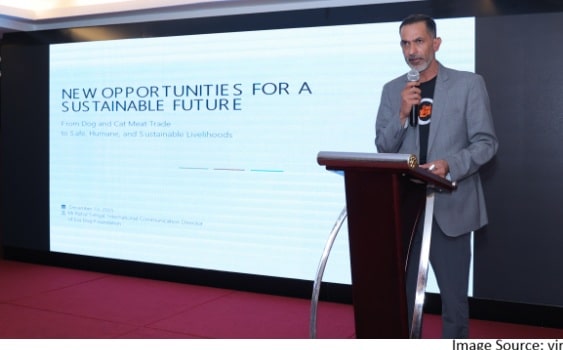
An impressive and radical action took place in Hanoi on December 10. It marked an important step in transforming community livelihoods and improving animal welfare in Vietnam. The training conference, titled “Sustainable Livelihood Phased-Transition: From Dog and Cat Meat Trade to Sustainable, Safe, and Civilized Occupations,” gathered many key groups. These included government agencies, international welfare organizations, and people involved in the dog and cat meat trade. They have in common their aim to help in a humanitarian, sustainable transition to safer economic activities.
The Hanoi Sub-Department of Animal Husbandry, Aquaculture, and Veterinary Medicine organised the event with support from the Soi Dog Foundation and SBCC Vietnam.
Policy Direction and Project Goals
The conference is a part of a large-scale project that was accepted by the Hanoi people’s committee on July 24, which was designed to promote community health and animal welfare. The project is based on two main goals:
- Towards human rabies deaths in Vietnam by 2030 goal.
- Improving management processes, prevention of zoonotic diseases and internationally compatible animal welfare.
This aggressive move demonstrates the willingness of Hanoi to create a safer society, a more human society and a more economic society. The city allows people to move into new occupations, and this leaves communities not behind as the rest of the world changes its perspectives.
Rabies Challenges and Training Focus
As per the data on VAHIS, the problem of rabies is still a considerable one in terms of public-health issues, and in 2012, its cases were reported in 171 communes and 24 provinces. The risks of the dog and cat meat supply chain to health, as explained by veterinary experts at the conference, include:
- Rabies has a high potential for transmission.
- Transmission of drug-resistant bacteria.
- During transit and slaughter, there are chances of contamination.
- Low hygiene in the conventional facilities.
Participants also got current instructions on food safety laws, waste disposal, and infection-prevention laws that are newly implemented in Hanoi.
Insights From Key Stakeholders
Nguyen Dinh Dang, the Sub-Department Director, emphasised the programme’s importance in equipping participants with knowledge on rabies prevention and sustainable livelihoods. He noted that the effort reflects the sector’s dedication to protecting both community health and animal welfare.
As the representative of Soi Dog Foundation, Rahul Sehgal has emphasised some successful models of transition that have been applied in Thailand and other nations. He described that the pet meal industry in Hanoi is already on the decline, whereas the pet care and pet services are growing fast. With the right encouragement, several individuals will change to safer and more lucrative professions.
The director of SBCC Vietnam, Bui Thi Duyen, emphasized the role of culturally competent communication and the powerful support system. She proposed a three-step livelihood transition framework, which was a combination of:
- State management support
- International resources
- Knowledge of behaviour change communication.
This structure will create success stories that are inspirational and long-term and are headed by those individuals who spearhead the transition.
Opportunities for Participants
The programme offers voluntary members a full package of free support, which includes:
- Professional training in new occupations.
- Small business and startup assistance.
- Continual mentoring and business consulting.
- Legal advice to start new businesses.
- Market and partner relationships.
- Availability of professional networks.
These opportunities aim to provide stability, build healthier communities, and reduce inhumane practices.
Looking Ahead
The conference marks an important milestone for Vietnam. It shows the country’s effort to connect public health, animal welfare, and economic sustainability. In the second stage of the project, the team will extend pilot programmes and strengthen cross-sector collaboration. They will also create safe community networks for other regions to follow.
As more people support the programme, Hanoi moves toward a better future.
In this future, people and animals can live together safely, responsibly, and compassionately.
References link: https://vir.com.vn/conference-focuses-on-switch-from-dog-and-cat-meat-trade-to-sustainable-safe-jobs-142677.html