
Breed registration depends on accurate identification to maintain proper lineage and ownership records. Microchips give each animal a unique identity that cannot be easily changed or duplicated. As a result, false breed claims decrease. Moreover, the system improves record accuracy and encourages responsible breeding. Therefore, breeders and authorities can ensure greater transparency and trust in registration systems.
20/02/2026 - 7:17 AM
Microchip Pet Registration Improve Breed Identification Security?
Microchip pet registration plays a significant role in modern animal management and breed registration systems. With a relative rise in the number of pets and the breeding of animals, governments and animal welfare agencies are integrating new forms keep proper records of animals. Conventional ways of identification, like collars, tags, and paper certificates, are not effective since they may be lost, damaged or changed by individuals. Microchips are a lasting and dependable solution as they connect animals to a certain digital registry database.
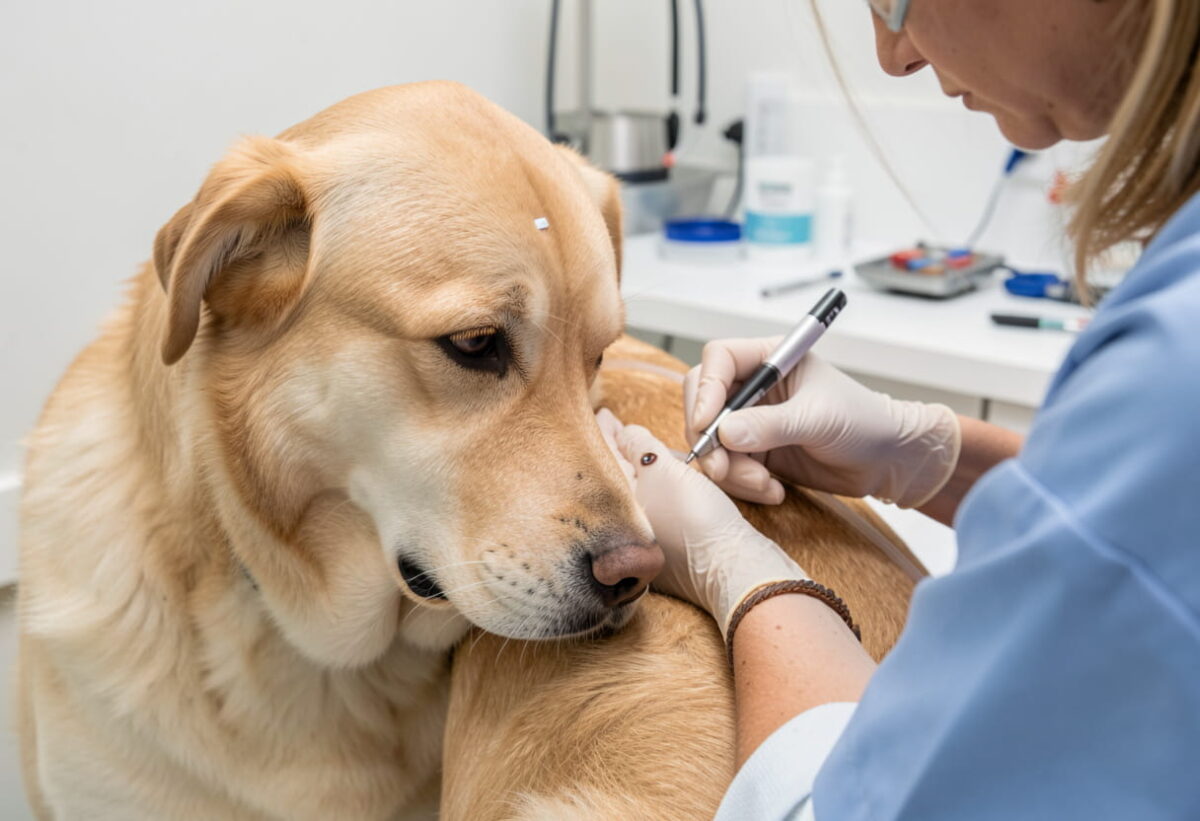
Microchips are small electronic gadgets, the size of a grain of rice, which are implanted under the skin of an animal by veterinarians, most often between the shoulders of the animal. These chips do not track the animal’s location or movement. They instead store a unique identification number, which is readable by a scanner. Upon the scan, the system links this number with a centralized digital database which holds information about the breed, ownership, the vaccination history and the medical history.
Importance of MICROCHIPS in Breed Registration
Responsible ownership through microchips also offers a verifiable claim of identity. In cases where the animals are transferred, the new information is entered in the computerized system, and it forms a clear track of record. The transparency minimizes misunderstandings and eliminates conflict when it comes to ownership or unlawful sales.
Scientific and Organized Identification Process
Prior to animals being registered as part of breed registration programs, some procedures are usually adhered to to ascertain accuracy and welfare:
- Implantation of the microchips by accredited veterinary practitioners.
- Censusing of breed and physical identification.
- Enrollment of owner data in an online database.
- At a health check and vaccinations.
- Allocation of a special identification number that is associated with records.
Such measures generate a systematic and stable system that is helpful to the owners, breeders, and authorities.
Benefits of Microchip-Based Registration
Microchip integration has several benefits that enhance breed registration systems:
- Permanent Identification: The microchips are impossible to take off the animal.
- Proper Breed Verification: Keeps proper lineage and registration information.
- Ownership Confirmation: Assists in settling ownership disputes within a short period of time.
- Lost Animal Recovery: Shelters and veterinarians can instantly recognize owners.
- Fraud Prevention: minimizes false registration and breeding.
- Centralized Data Management: Enables the authorities to track the animals.
- Legal Support: Digital records are legally admissible evidence in a dispute or legal case.
Monitoring and Future Scope
Veterinary authorities and animal welfare organizations increasingly use microchip data to monitor animal health and population levels. Follow-up systems ensure that registered animals receive proper care and vaccinations. Governments also promote microchip pet registration by creating awareness in communities and encouraging adoption.
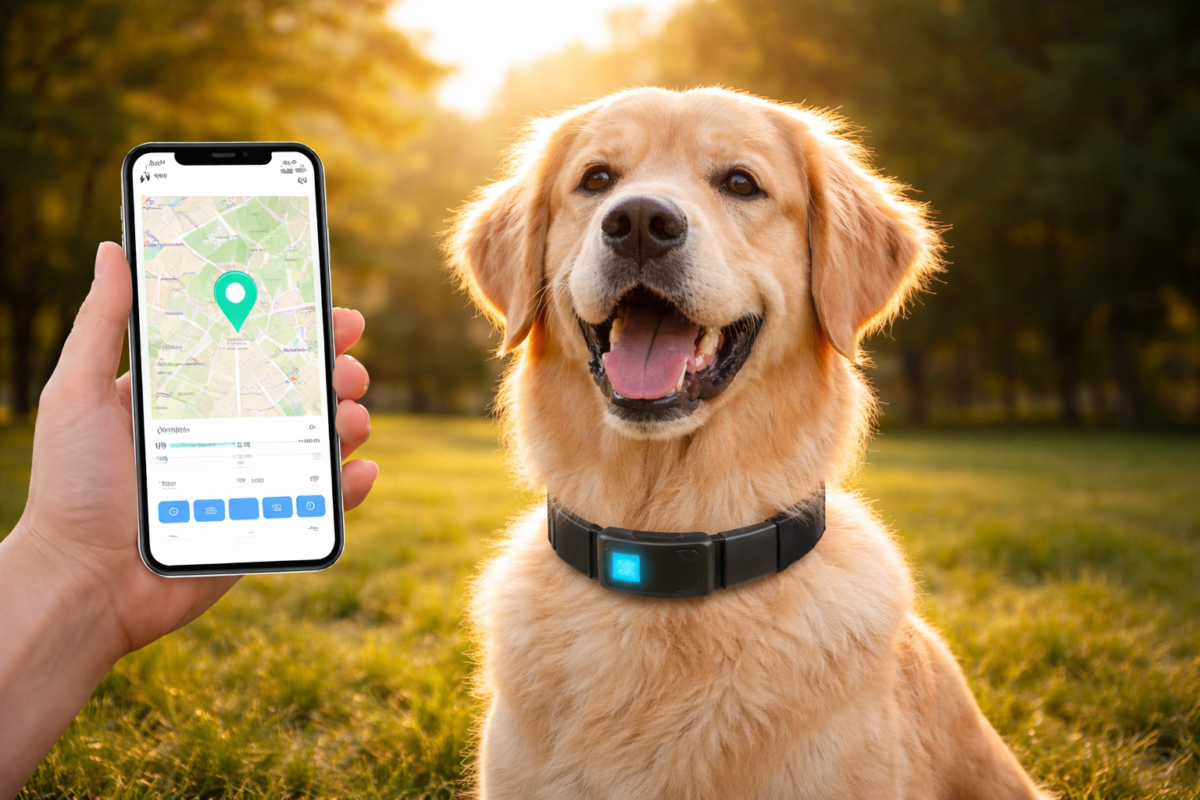
Microchip pet breeding will likely become the norm in the rest of the world one day. Registration, verification, and ownership transfer will be approached more quickly and openly with the help of integration with digital platforms and mobile applications.
Microchips are also important in enhancing the breed registration systems by integrating technology with the responsible animal management practices. They defend animals, promote ethical breeding, and establish a reliable structure that will be of benefit to owners, authorities, and the entire society.