Rabies in India: Government Targets Elimination From Dog Bites


India has made a great stride in solving one of its long-term social health problems, rabies, due to dog bites. During one of the latest Supreme Court hearings, the Central government assured the court that it is already on track to achieve the total eradication of rabies caused by dog bites by 2030 under an all-inclusive National Action Plan.
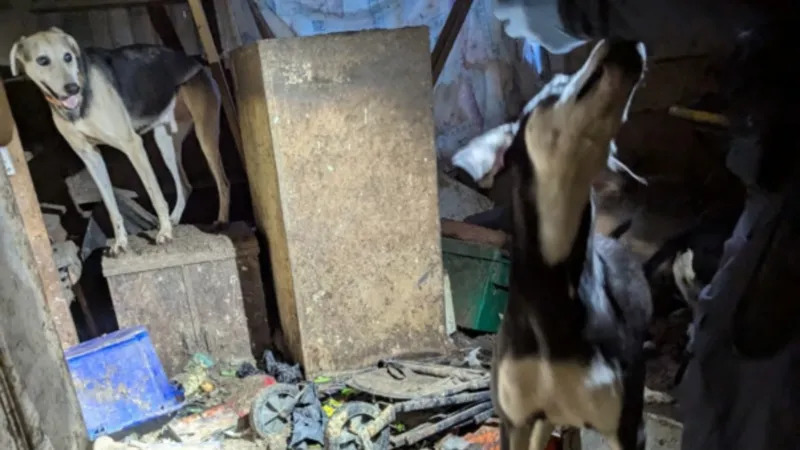
Rabies is a deadly but avoidable illness, and India records a high percentage of deaths due to rabies in the world. Community and stray dogs are the major contributors to the transmission of the disease, and the population of dogs is rising at an alarming rate in towns and semi-urban regions.
What the Government Told the Supreme Court
In the hearing, the Centre had told a bench led by Justice Vikram Nath that despite health being constitutionally a state subject, the role of the Union government is playing a central role by:
- Allocating funds to states
- Nationwide strategy coordination.
- Promoting action plans at the state level.
The government explained that it is not taking a cruel attitude or mass extermination of dogs, but rather controlling the population and preventing diseases systematically.
The Supreme Court has now put on hold its order and has given all parties one week to substantiate through written arguments. It is the expected result of the final judgment to develop specific responsibilities of central, state, and municipal authorities.
Why Stray Dog Population Control Matters
As per statistics given in the hearing, the population of stray dogs in India is estimated to increase by between 10 and 15 per cent annually. This uncontrolled development causes more chances of dog bites and, thus, the spread of rabies.
Scholars and policy-makers concur that to eradicate rabies, negative population growth, i.e. a situation in which the number of dogs reduces slowly through humane practices, is necessary.
Key Elements of the National Action Plan
The government plan of eradicating rabies by 2030 entails the following measures:
- Mass Anti-Rabies Vaccination (ARV) of the community and stray dogs.
- Animal Birth Control (ABC) by sterilization to reduce population increase.
- Enhancing the dog bite and rabies surveillance systems.
- Enhancing central, state, and municipal relationships.
- Dog bite prevention and post-bite care public awareness campaigns.
These are in line with the world recommendations by the organizations of public health and animal welfare.
Role of Local Authorities
It is crucial that the municipal bodies are involved in the implementation. The Supreme Court directions expected might mandate them to:
- Make sure that ABC-ARV programs are properly executed.
- Keep proper records about the dogs.
- Enhance the waste management in order to decrease the food supply to uncontrolled breeding.
- Liaise with animal welfare organizations and veterinarians.
Even a well-financed national strategy without good local implementation can never deliver results.
A Humane and Scientific Approach
Significantly, the location of the Centre supports the concept according to which culling or compulsory moving of the dogs is not effective and sustainable. Experiences in the past demonstrated that such moves leave gaps in the territory which are quickly occupied by new, unvaccinated dogs, exacerbating the situation.
Rather, they are focused on humane and science-based solutions that ensure the safety of human health and animal welfare.
Looking Ahead
When well applied, the Indian dedication to the eradication of rabies caused by dog bites by 2030 may be used as a case study on how citizens can be encouraged to balance their health, animal welfare, and city management. The upcoming ruling of the Supreme Court is likely to become a significant step towards making this promise come true.