Therapy Dogs in Hospitals Comfort Children in Japan

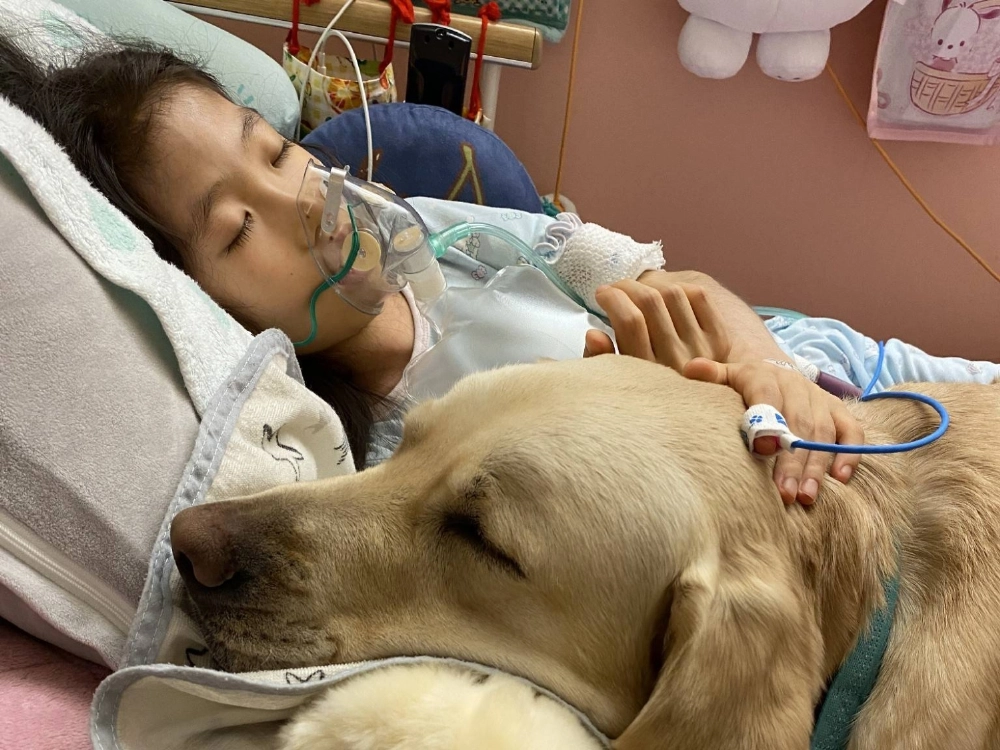
Therapy dogs are playing an increasingly important role in Japanese hospitals, where more medical institutions are recognizing their positive impact on children’s healthcare. Children in hospitals undergoing treatment and rehabilitation are finding emotional comfort, not easily provided by medicine, with the help of these specially trained dogs that are assisting them to overcome fear, pain, and loneliness.
Therapy animals are not visitation dogs. Hospitals assign facility dogs full-time and pair them with professional handlers who receive specialized medical and behavioral training. Their purpose is to assist children on their way during the hospital experience, including the pre-surgery phase, as well as the post-surgery phase.
What Are Therapy Dogs in Hospitals
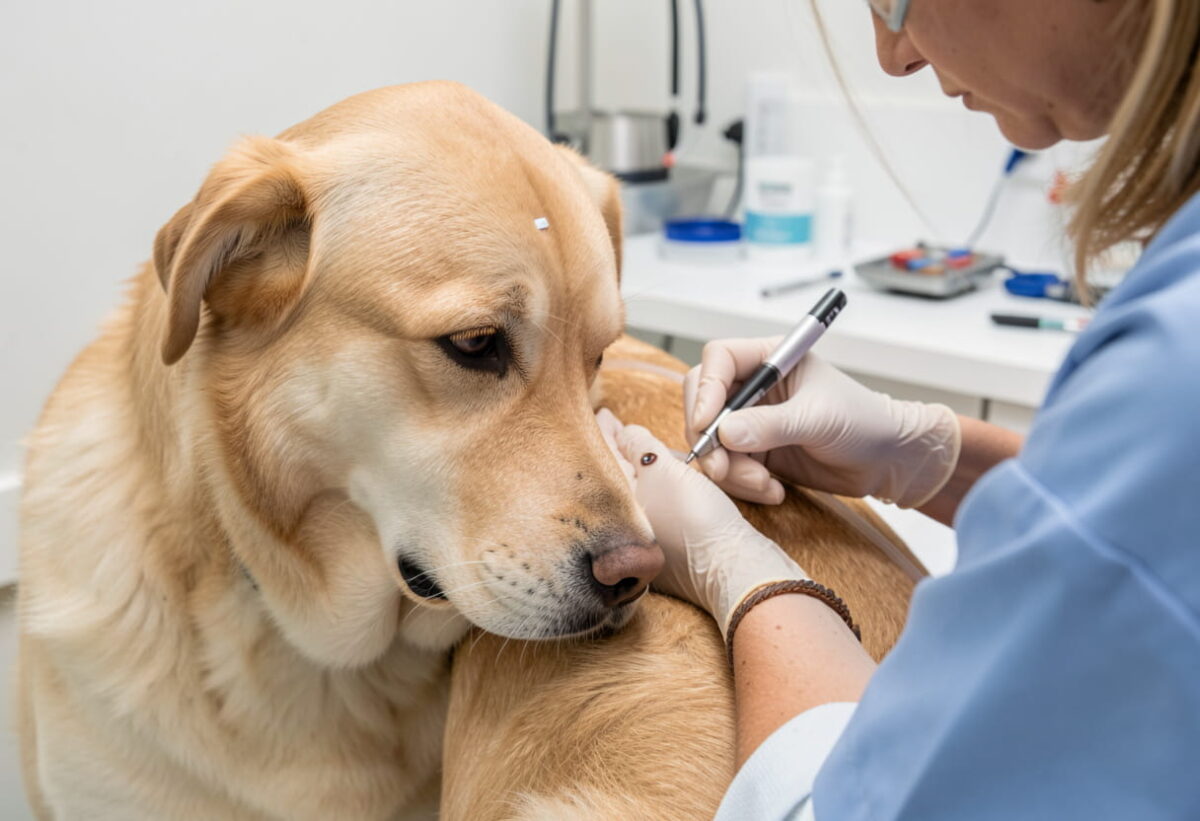
Facility dogs are well-trained dogs that are used to provide services to patients in a medical setting daily.
They are known for:
- Mellow and quiet characters.
- High-level obedience and hygiene.
- Capacity to be relaxed in stressful healthcare environments.
Labrador retrievers and golden retrievers are usually selected as they are friendly and they are flexible.
How Therapy Dogs Help Children in Hospitals
The presence of a facility dog can significantly change a child’s hospital experience.
Facility dogs support children by:
- Companionship during medical practices.
- Emotional comfort in the preoperative and postoperative phases.
- Helping in rehabilitation through guided play.
- Easing anxiety, which is the result of being separated from relatives.
The presence of a facility dog keeps children calm and cooperative, allowing medical staff to deliver treatments more smoothly.
Facility Dogs in Japan: A Growing but Costly Initiative
According to Shine On! Kids, a certified nonprofit organization based in Tokyo, Japan, introduced its first facility dog in 2010 at Shizuoka Children’s Hospital.
As of December 2025:
- There are only four active facility dogs.
- They have four hospitals operating in the country.
- The number of questions posed regarding facility dogs has grown eightfold over the last ten years.
Although the interest is increasing, the adoption is slow because of the high cost.
The Financial Challenge of Facility Dogs
The introduction of a facility dog is an expensive process.
Estimated costs include:
- Initial training and placement cost about ¥16 million.
- Around 10 million every year for continuing treatment and operation.
- Other costs of hospital renovation and hygiene compliance.
Hospitals are resorting to crowdfunding to contain these expenses.
Hospitals Turning to Community Support
Several hospitals have launched fundraising campaigns to bring facility dogs to their pediatric wards.
Examples include:
- Osaka City General Hospital plans to bring in a facility dog by 2027.
- Kobe Children’s Hospital in Hyogo Prefecture, which will fund the children receiving treatment because of cancer.
Physicians also lay stress on proper infection-control training so that the dogs are not harmful to health, as long as they are comforting.
A Hopeful Future for Facility Dogs
Healthcare practitioners and charity executives have high growth opportunities. Facility dogs can be expected to be a frequent occurrence in Japanese children’s hospitals once the training systems are updated and more people are aware of the benefits of the dogs.
When they are present, it is not just an act of emotional support but rather a caring attitude towards pediatric care, and the healing of the body and heart is part of it.
Facility dogs are an effective reminder since Japan is still experimenting with novel ways to administer care, that, sometimes, the best way to heal has four legs and a wagging tail. 🐾
References link : https://www.japantimes.co.jp/news/2026/01/06/japan/society/facility-dogs-comfort-children/