Dog Fouling Problem Forces Council To Reject DNA Testing

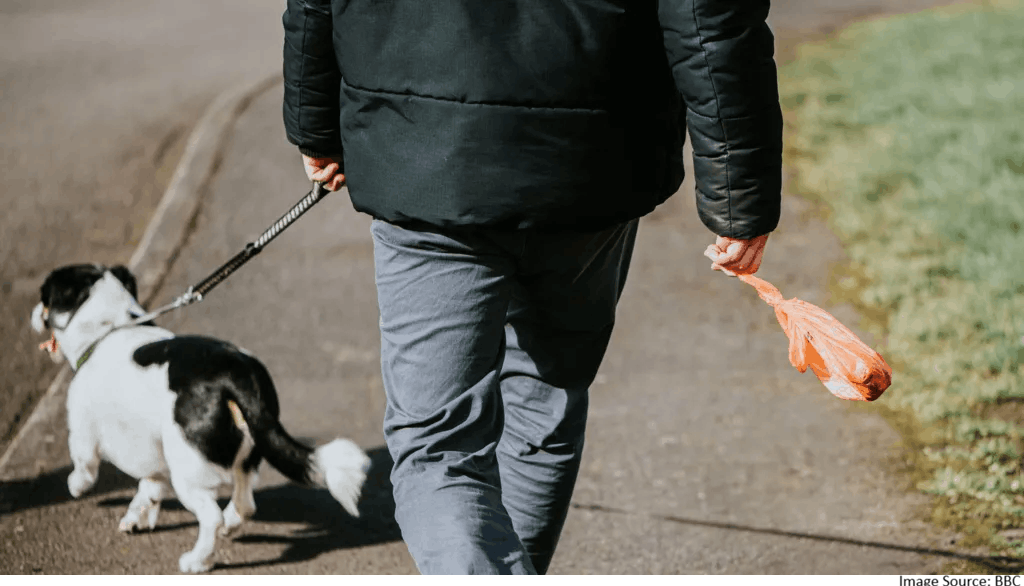
Renfrewshire Council says the dog fouling problem will not be tackled through DNA testing. Instead of moving forward, they’ve decided it just wouldn’t catch those who skip cleanup duty. Gathering DNA from animals, then checking against messes on paths, sounded okay in theory. Trouble is, folks ignoring rules probably won’t sign up their dogs anyway. Without buy-in, the whole thing falls apart before it starts.
Poop left behind by dogs keeps causing trouble in towns and cities throughout Scotland and beyond. People are fed up, worried about getting sick, tired of filthy pavements, and bothered by ruined parks.
Why DNA Testing Was Rejected
Senior council officials kind of explained that the whole idea had real practical limits, even if it could offer some benefits.
Gerard Hannah, head of climate, public protection and roads at Renfrewshire Council, said the main problem was participation. In his view, the people most likely to just ignore dog fouling rules would be the ones least likely to get behind DNA registration schemes.
The proposed system would have required:
- Pets must have their DNA handed in by people who own them
- A central database to store DNA records
- Waste samples to be tested in laboratories
- Folks who check rules will compare outcomes against those listed as owners
Even though a few councils and private housing zones in other countries have tried comparable setups, officials figured it’d be a hard road to take, and also expensive, to carry out across a big public scale.
Alternative Measures To Solve The Dog Fouling Problem
Instead of DNA testing , the council is leaning towards more practical enforcement methods and also awareness campaigns, which is kind of strange but effective, maybe.
Current and planned measures include:
- Increased CCTV monitoring in problem areas
- Public awareness campaigns on social media
- New warning signs in parks and streets
- “Days of action” involving enforcement teams
- Trial use of plain-clothes patrol officers
Officials say traditional enforcement has become a bit tricky, since dog owners sometimes shift their behavior the second they notice uniformed officers, especially those in high-visibility clothing.
So, plain clothes patrols are being tested now, basically to track down offenders more effectively and before they slip away.
Public Frustration Over The Dog Fouling Problem
Fouling by dogs still causes problems across several areas, according to local council members.
Dirty sidewalks, playgrounds, and paths where kids play keep coming up in talks across Bishopton, Bridge of Weir, and Langbank. Councillor James MacLaren, who represents the area, calls it a serious issue that won’t go away.
Dog mess isn’t just unpleasant; it can also bring health hazards. It may contain harmful bacteria and parasites, which can affect people as well as other animals if it’s not cleared up properly.
A Nationwide Problem
Councillors admitted the problem isn’t exclusive to Renfrewshire, or not really. Other councils across the UK are basically facing sort of similar headaches when it comes to enforcing the anti-fouling laws, honestly.
Now, authorities are basically comparing notes, trying to see how other councils are handling it, and if newer technology or harsher sanctions could help a bit more with future compliance.
Conclusion
While DNA testing sounded like an innovative sort of solution, Renfrewshire Council figured it was unlikely to work out, unless there was broad cooperation from dog owners. Instead, the local authority will keep using awareness campaigns, surveillance and patrols to tackle the ongoing dog fouling problem.
That discussion also points to the bigger obstacle councils wrestle with, trying to juggle enforcement, public responsibility and realistic expenses, so communities stay clean and safe.
References Link: https://www.bbc.com/news/articles/cy82p32xprxo